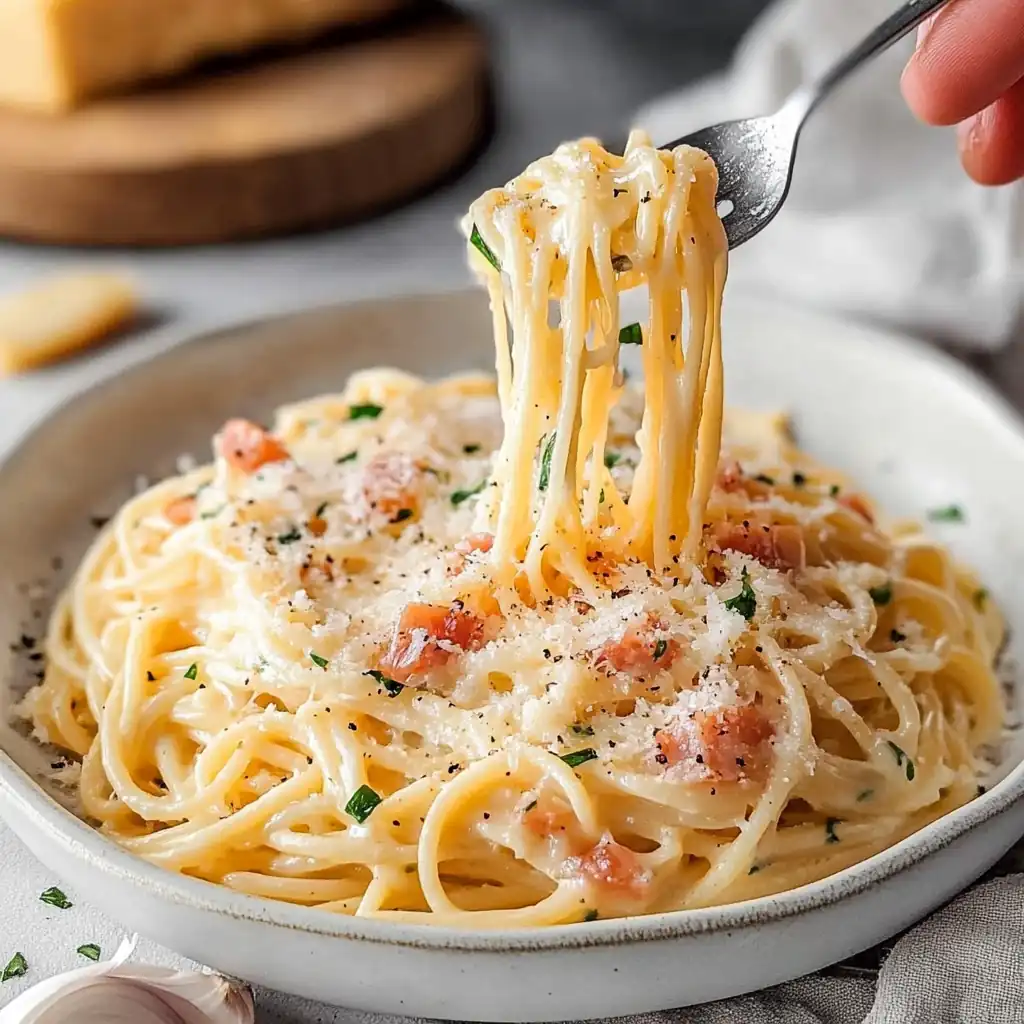
Cream is never used in Rome. Many believe that the velvety texture of this dish comes from heavy dairy, but the reality is a chemical marriage between starchy water and egg yolks. This culinary myth often leads home cooks to mask the pungent flavor of Pecorino Romano with cream, which fundamentally alters the soul of the dish.
I remember the first time I witnessed a Roman chef execute this sequence. He moved with a frantic yet calculated precision, tossing the pasta in a pan that was just off the flame. The steam rose in a thick cloud, carrying the scent of cured pork and sharp cheese, creating a sensory experience that felt less like cooking and more like a rhythmic performance.
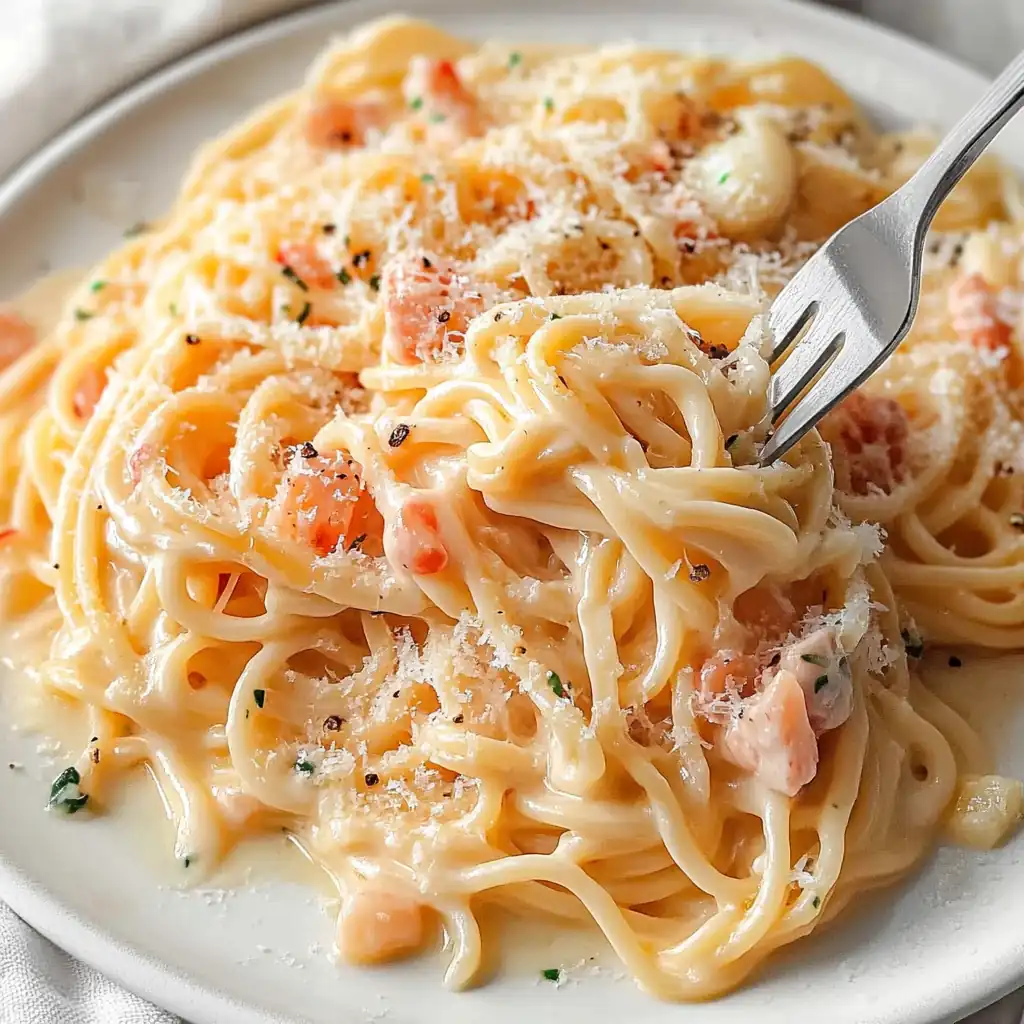
The magic happens in the transition from liquid to sauce. It requires a steady hand and an understanding of residual heat to ensure the eggs thicken without scrambling. When you achieve that gloss, the pasta transforms into a cohesive unit where every strand is coated in a gold-hued, salty embrace that lingers on the palate.
- ●Minimal ingredient list focuses on high-quality, punchy flavors.
- ●The emulsion technique creates a rich texture without heavy cream.
- ●Guanciale provides a depth of funkiness that bacon cannot match.
- ●Rapid cooking time makes it a viable option for weeknight dining.
- ●Authentic Roman proportions ensure a balanced salt and fat ratio.
Essential Ingredients |
Guanciale provides the primary fat and a concentrated, cured pork flavor; substitute with Pancetta if you cannot find cured pork jowl.
Pecorino Romano lends a sharp, salty tang that cuts through the richness; substitute with Parmigiano-Reggiano for a milder, nuttier profile.
Fresh Egg Yolks act as the thickening agent and provide the golden color; substitute with whole eggs for a lighter, less dense consistency.
Spaghetti serves as the structural foundation to carry the heavy sauce; substitute with Rigatoni to trap more sauce inside the pasta.
Black Pepper offers a floral, spicy heat that balances the fat; substitute with white pepper for a more subtle, earthy tone.
 Let’s Make it Together |
- Boil a large pot of salted water and cook the spaghetti until two minutes before the package instructions. Pro tip: Use less salt than usual because the cheese and pork are already highly saline.
- Sear the diced guanciale in a cold skillet over medium heat until the fat renders and the edges turn crisp.
- Whisk the egg yolks and finely grated Pecorino Romano in a bowl until a thick paste forms.
- Toast a generous amount of cracked black pepper in the skillet with the rendered pork fat for thirty seconds.
- Fold the cooked pasta directly into the skillet, tossing it to coat every strand in the pork oil. Pro tip: Reserve a cup of pasta water before draining to control the final sauce viscosity.
- Remove the skillet from the heat entirely and stir in the egg and cheese mixture rapidly. Pro tip: Keep the pan moving constantly to prevent the eggs from curdling into clumps.
Never add the egg mixture while the pan is on the burner.
Use room temperature eggs to avoid shocking the sauce temperature.
Grate your cheese as finely as possible for a smooth emulsion.
Ensure the guanciale is rendered until golden, not burnt black.
Always serve the pasta immediately to prevent the sauce from drying.
Perfecting the Cooking Process |
The physics of Carbonara rely on the emulsion of fat and proteins. You are aiming for a temperature between 65°C and 75°C. This range allows the egg yolks to thicken into a custard-like state without reaching the coagulation point where they turn into scrambled eggs. If the pan exceeds 80°C, the proteins bond too tightly, resulting in a grainy texture.
Timing is the most critical variable in this equation. The pasta must be al dente, providing a firm bite that contrasts with the creamy coating. The residual heat of the pasta and the pan is sufficient to cook the eggs. pan from the heat source, you utilize the stored thermal energy to create a stable, glossy sauce that clings to the noodles.
Add Your Touch |
For a modern twist, incorporate a small amount of lemon zest into the cheese mixture. This adds a bright, acidic note that cuts through the heavy fats of the pork jowl and yolks.
If you prefer a meatier experience, try a blend of guanciale and smoked brisket. The smokiness adds a layer of complexity that complements the sharpness of the Pecorino Romano.
Storing & Reheating |
Store leftovers in an airtight container for up to two days in the refrigerator. Be aware that the emulsion will likely break during cooling, leaving the pasta clumped together.
Reheat the pasta in a skillet over low heat with a splash of water or milk. Avoid the microwave, as it will overheat the eggs and ruin the creamy consistency.
1Use a stainless steel pan for better heat distribution during the tossing phase.
2Crack your peppercorns coarsely to release more essential oils into the fat.
3Sift your grated cheese to eliminate any clumps before mixing with eggs.
4Maintain a high water-to-pasta ratio to ensure maximum starch release.
5Warm your serving bowls to keep the sauce fluid for longer.
FAQ |
- ●Q: Why did my eggs scramble?A: This happens when the pan is too hot. To prevent this, remove the skillet from the heat source and let it cool for thirty seconds before adding the egg and cheese mixture to ensure a smooth sauce.
- ●Q: Can I use cream to make it creamier?A: Traditional Roman recipes strictly forbid cream. The creaminess comes from the emulsion of egg yolks, Pecorino, and starchy pasta water. Adding cream masks the distinct flavors of the pork and cheese, detracting from the authentic experience.
- ●Q: What is the difference between Guanciale and Pancetta?A: Guanciale is cured pork jowl, which has a higher fat content and a more intense, funky flavor. Pancetta is cured pork belly, which is slightly saltier and leaner, providing a different flavor profile to the final dish.
- ●Q: How do I fix a sauce that is too thick?A: Gradually whisk in small amounts of reserved pasta water one tablespoon at a time. The starch in the water helps bind the fat and eggs, loosening the texture while maintaining a glossy, cohesive appearance on the pasta.
The Art of Authentic Spaghetti Carbonara
- Total Time: 25 minutes
- Yield: 4 servings 1x
Description
A traditional Roman pasta dish featuring a rich, creamy emulsion of eggs and cheese combined with crispy guanciale.
Ingredients
- 400g Spaghetti
- 150g Guanciale, diced
- 4 large Egg yolks
- 100g Pecorino Romano, finely grated
- 1 tablespoon Black peppercorns, crushed
- Salt for pasta water
Instructions
- Boil spaghetti in salted water until nearly al dente.
- Sauté guanciale in a skillet until the fat renders and the pork is crisp.
- Toast crushed pepper in the guanciale fat for 30 seconds.
- Whisk egg yolks and Pecorino together in a separate bowl until a paste forms.
- Transfer pasta to the skillet and toss to coat in pork fat.
- Remove pan from heat and rapidly stir in the egg and cheese mixture until creamy.
- Prep Time: 10 minutes
- Cook Time: 15 minutes
- Category: Dinner
- Method: Stovetop
- Cuisine: Italian