The Roman Soul of Carbonara |
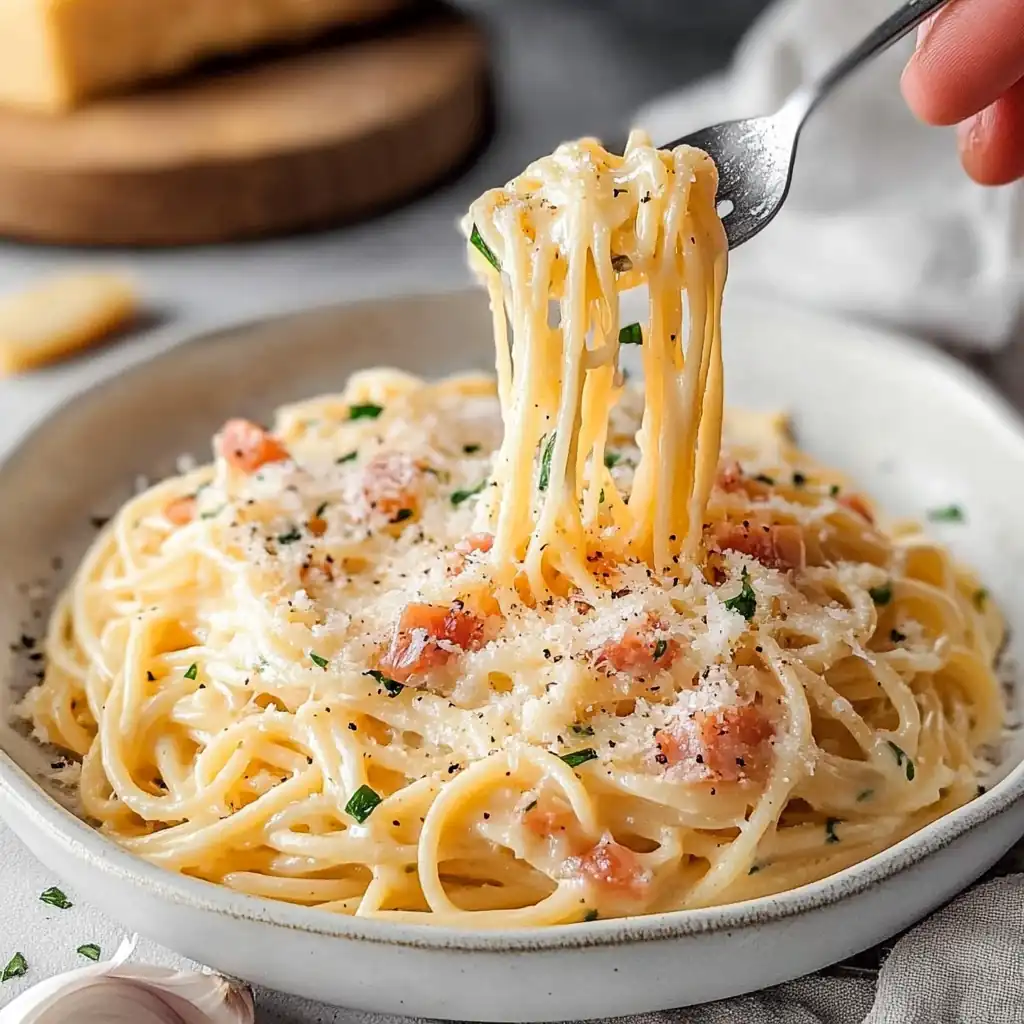
Originating from the heart of Rome, Carbonara is more than a simple pasta; it is a testament to the beauty of minimalist cooking where a few high-quality ingredients create a complex symphony. This dish reflects the heritage of the Lazio region, rooted in the rustic needs of charcoal burners and shepherds who required calorie-dense, satisfying meals that could be assembled quickly from pantry staples.
Close your eyes and imagine the sensory transition as you begin: the sharp, rhythmic sound of sizzling guanciale hitting a cold pan and slowly rendering its golden fat. That crackle is the heartbeat of the recipe, signaling the release of porcine saltiness that will eventually emulsify with eggs and cheese to create a luxurious coating without a single drop of heavy cream.
- ●Authentic technique that avoids the common mistake of adding cream.
- ●Deeply savory flavor profile achieved through the synergy of Pecorino and cured pork.
- ●Rapid cooking time that makes a restaurant-grade meal possible on weeknights.
- ●Technical mastery of emulsification that results in a glossy, velvet-like texture.
- ●Minimal cleanup since the sauce is created directly in the pasta pan.
Essential Ingredients |
Guanciale provides the foundational funk and saltiness; its high fat content is critical for the sauce’s emulsion. If unavailable, use pancetta as a reliable alternative.
Pecorino Romano offers a sharp, salty punch that cuts through the richness of the eggs. You can substitute with Parmigiano Reggiano for a milder, nuttier flavor.
Fresh Eggs act as the binding agent, creating the creamy structure through coagulation. Use a mix of whole eggs and extra yolks for a deeper gold color and richer mouthfeel.
Spaghetti serves as the canvas, its starch helping the sauce cling to every strand. High-quality bronze-cut pasta is ideal, though linguine is a smart substitute.
Freshly Cracked Black Pepper provides essential aromatic heat and visual contrast. Pre-ground pepper lacks the volatile oils needed for a true Roman flavor.
 Let’s Make it Together |
- The prep: Whisk together the eggs and finely grated Pecorino Romano in a bowl until a thick paste forms, then stir in a generous amount of cracked black pepper.
- The render: Sauté the diced guanciale over medium heat until the fat has rendered and the pork pieces are golden and crisp.
- The boil: Cook your spaghetti in a pot of lightly salted water until it is exactly two minutes shy of al dente.
- The marriage: Transfer the pasta directly into the pan with the guanciale, tossing it in the rendered fat for 60 seconds.
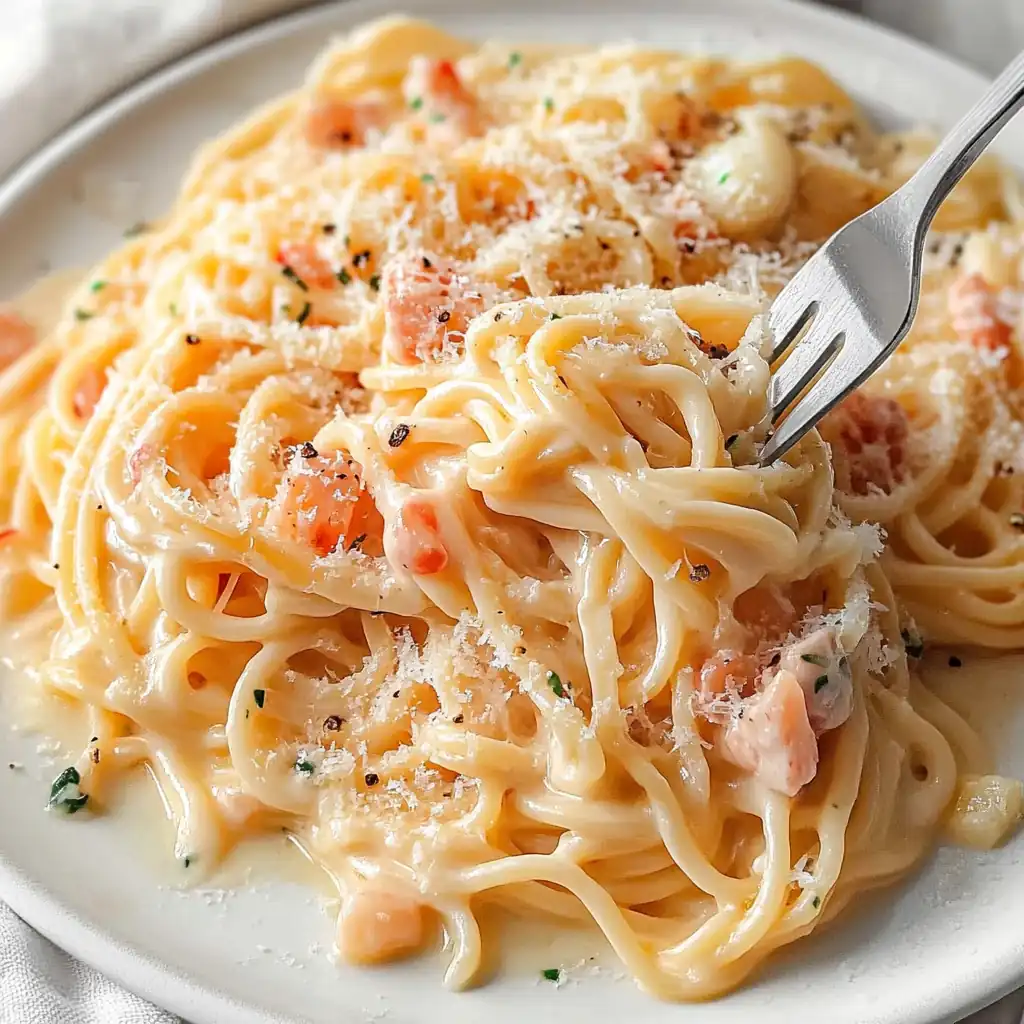
- The emulsion: Remove the pan from the heat entirely, then quickly stir in the egg and cheese mixture, adding splashes of pasta water to create a creamy sauce.
- The finish: Toss vigorously for two minutes until the sauce thickens and coats the pasta evenly, serving immediately with extra cheese.
Never add the egg mixture while the pan is still on the burner or you will get scrambled eggs.
Pasta water is your most valuable tool for controlling the thickness of the emulsion.
Guanciale should be started in a cold pan to ensure the fat renders slowly and completely.
Avoid using pre-shredded cheese as the anti-clumping agents prevent a smooth melt.
Salt your boiling water sparingly because the cheese and pork are already intensely salty.
Perfecting the Cooking Process |
You’ll notice that the temperature of the pan is the most volatile variable in this entire process. The goal is to utilize residual heat—roughly between 150°F and 170°F—to cook the eggs just enough to thicken them without curdling. If the pan is too hot, the protein bonds tighten too quickly; if it is too cold, the sauce remains raw and watery.
Trust your nose here to determine when the guanciale is ready; it should smell nutty and toasted, not burnt. The timing of the pasta transfer is equally critical, as the final minute of cooking the noodles in the pork fat allows the starch to bond with the lipids, creating a more stable emulsion once the eggs are introduced.
Add Your Touch |
Your pan should be versatile enough to handle slight variations if you prefer a different flavor profile. For a touch of brightness, consider adding a tiny pinch of lemon zest to the egg mixture, which cuts through the heavy fat of the guanciale without compromising the authentic nature of the dish.
Some chefs prefer to incorporate a pinch of red pepper flakes during the rendering phase to add a subtle, lingering warmth. Alternatively, swapping the spaghetti for rigatoni allows the creamy sauce to settle inside the tubes, creating a different but equally satisfying textural experience.
Storing & Reheating |
Storing Carbonara is challenging because the egg emulsion is unstable. If you must refrigerate it, place the pasta in an airtight container for up to 3 days; however, the sauce will thicken and lose its gloss. Never freeze this dish, as the eggs will separate and the texture will become grainy and unappealing upon thawing.
Reheating requires a gentle touch to avoid scrambling the sauce. Warm the pasta in a skillet over low heat with a tablespoon of water or cream, stirring constantly. Avoid the microwave at all costs, as the localized hot spots will instantly turn your silky sauce into clumps of fried egg.
1Use a wide skillet rather than a deep pot to ensure more surface area for tossing the pasta.
2Whisk the cheese and eggs into a paste to prevent the cheese from clumping in the pan.
3Always reserve a full cup of pasta water before draining your noodles.
4Warm your serving bowls slightly to keep the sauce from seizing as it hits the plate.
5Ensure your black pepper is coarsely cracked for the best textural contrast.
FAQ |
- ●Q: Why is my Carbonara clumping or turning into scrambled eggs?A: This happens because the pan temperature was too high when you added the eggs. To prevent this, remove the pan from the heat source entirely and wait ten seconds before stirring in the egg mixture, relying only on residual heat for coagulation.
- ●Q: Can I use heavy cream to make it creamier?A: While common in some regions, cream is not authentic to Roman Carbonara. The creaminess comes from the emulsion of pasta water, egg yolks, and melted cheese; adding cream masks the sharp flavors of the Pecorino and the funk of the guanciale.
- ●Q: What is the difference between Guanciale and Pancetta?A: Guanciale is cured pork jowl, which is fattier and has a more intense, muskier flavor than pancetta, which is cured pork belly. While pancetta is a great substitute, guanciale provides the authentic richness that defines this specific dish.
- ●Q: How do I get the sauce to be perfectly glossy?A: The secret is the vigorous tossing of the pasta with the egg mixture and small amounts of starchy pasta water. This mechanical action, combined with the right temperature, creates a stable emulsion that results in a mirror-like sheen on the noodles.
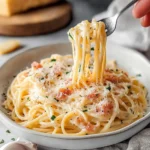
Authentic Spaghetti Carbonara: A Masterclass in Roman Tradition
- Total Time: 30 minutes
- Yield: 4 servings 1x
Description
A traditional Roman pasta dish featuring guanciale, Pecorino Romano, and eggs. This recipe focuses on the authentic emulsion technique to achieve a creamy texture without cream.
Ingredients
- 400g Spaghetti
- 150g Guanciale, diced
- 4 large Egg yolks + 1 whole egg
- 60g Pecorino Romano, finely grated
- 1 tbsp Black pepper, coarsely cracked
- Salt for pasta water
Instructions
- Whisk eggs and grated Pecorino together with black pepper until a thick paste forms.
- Sauté guanciale over medium heat until the fat renders and meat is crispy.
- Boil spaghetti in salted water until 2 minutes before al dente.
- Transfer pasta to the pan with guanciale and toss for 1 minute.
- Remove pan from heat and stir in the egg and cheese mixture.
- Add splashes of pasta water and toss vigorously until creamy and glossy.
- Prep Time: 10 minutes
- Cook Time: 20 minutes
- Category: Dinner
- Method: Stovetop
- Cuisine: Italian