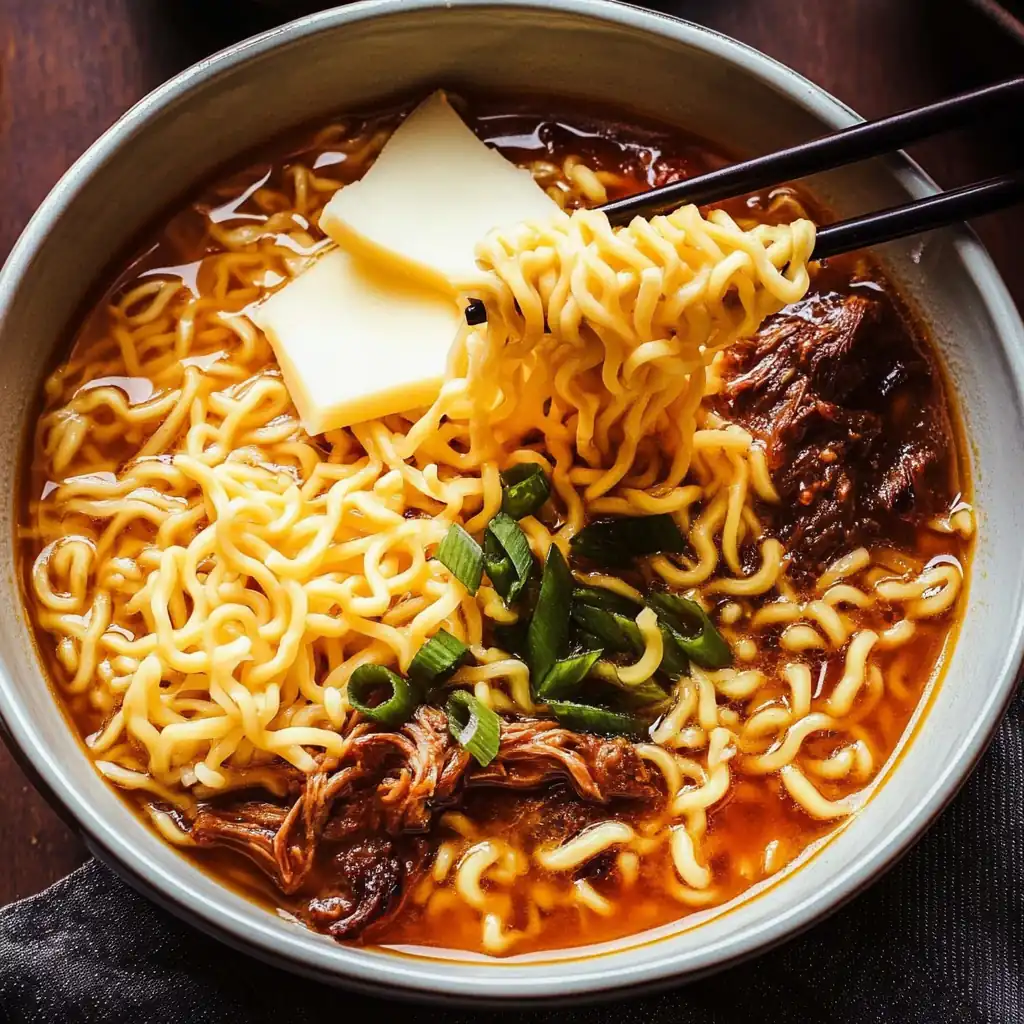
The Art of the Broth |
Years ago, I spent a rainy afternoon in a narrow alleyway in Kyoto, tucked into a six-seat shop where the steam from the vats blurred the windows. The owner, a quiet man with calloused hands, served me a bowl of ramen that redefined my understanding of depth. He explained that the soul of the dish is not the noodle, but the patient extraction of collagen and minerals from the bone.
That encounter sparked a decade-long obsession with balancing salt, fat, and alkalinity. I spent months refining the ratios of mirin and soy, seeking that specific oscillation between sweetness and brine. This recipe is the culmination of those technical explorations, designed to bring that same professional complexity into a home kitchen without requiring a three-day simmer.
- ●Concentrated umami profile derived from a layered base of aromatics.
- ●Control over sodium levels tare separately from the stock.
- ●Technical guidance on noodle texture to prevent mushiness.
- ●Versatility in protein pairings, from soft-boiled eggs to seared pork.
- ●A sophisticated approach to home cooking that elevates a humble meal.
Essential Ingredients |
Chicken Carcasses provide a pale gold hue and a rich, gelatinous mouthfeel; use approximately 4 pounds for a full pot.
Fresh Ginger offers a sharp, spicy aroma and a pale yellow tint; a 3-inch piece, sliced thinly, is sufficient.
Garlic Cloves contribute a pungent, earthy scent and a creamy white texture; use 6 whole cloves, lightly crushed.
Soy Sauce brings a deep brown color and a salty, fermented punch; utilize 1/4 cup of high-quality shoyu.
Mirin adds a translucent sheen and a subtle, honey-like sweetness; 2 tablespoons balance the salt.
Ramen Noodles should be alkaline, displaying a yellow tint and a springy, firm bite; use 4 servings of fresh or dried wheat noodles.
Green Onions provide a bright green visual contrast and a crisp, peppery finish; slice 4 stalks thinly.
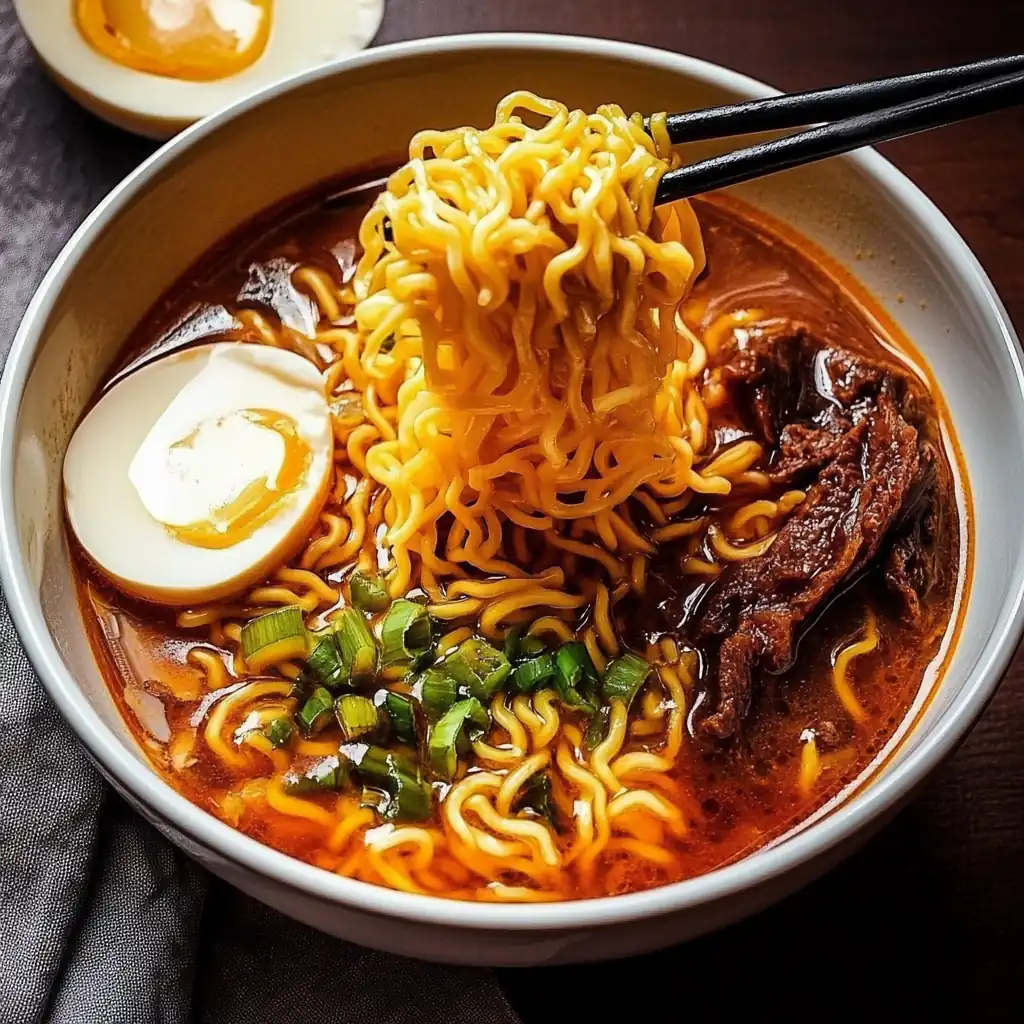 Let’s Make it Together |
- Place the chicken carcasses in a large pot and cover with water. Bring to a boil, then immediately drain and rinse the bones to remove impurities, which prevents a cloudy, grey broth.
- Refill the pot with fresh water and add the ginger, garlic, and onion. Simmer on low heat for four hours until the liquid reduces and becomes a concentrated gold; avoid a rolling boil to keep the broth clear.
- Strain the liquid through a fine-mesh sieve into a clean pot. Discard the solids, ensuring no sediment remains to maintain a smooth texture.
- In a small saucepan, whisk together the soy sauce and mirin over medium heat. Simmer for two minutes until the mixture thickens slightly; do not let it burn or it will turn bitter.
- Boil the ramen noodles in a separate pot of salted water. Remove them exactly 30 seconds before the package instructions suggest to ensure they retain a firm core.
- Divide the soy-mirin mixture into four bowls. Pour the hot broth over the base and stir, then gently nestle the noodles and toppings on top.
Never boil the noodles directly in the broth, as the starch will thicken the soup and ruin the clarity.
Rinsing the bones at the start removes the scum that causes an off-putting, metallic taste.
The tare, or seasoning base, must be added to the bowl first to ensure an even distribution of salt.
Fresh ginger is superior to powdered versions because the volatile oils provide the necessary brightness.
Keep your broth at a gentle simmer, as overheating can emulsify the fats too aggressively.
Perfecting the Cooking Process |
Temperature control is the most critical factor in this process. The broth should maintain a temperature just below the boiling point, roughly 185 to 195 degrees Fahrenheit. This allows the collagen to break down slowly into gelatin without the liquid becoming turbid or overly greasy.
Timing the noodle addition is equally vital. Because the broth is piping hot, the noodles continue to cook even after they are plated. slightly in the boiling water, you achieve a texture that remains resilient and chewy throughout the meal.
Add Your Touch |
To shift the profile toward a creamier experience, stir in a tablespoon of miso paste during the final simmering stage. This introduces a fermented depth and a thicker consistency that clings better to the noodles.
For a contrasting texture, consider adding charred corn or a marinated soft-boiled egg. The richness of the yolk creates a natural sauce that blends with the broth, adding another layer of complexity to each bite.
Storing & Reheating |
Store the broth and the noodles in separate airtight containers in the refrigerator for up to four days. If you combine them, the noodles will absorb all the liquid and turn into a soft paste, rendering the dish unappealing. For long-term storage, freeze the broth in portions for up to three months, though be aware that the ginger notes may fade slightly over time.
When reheating, bring the broth to a simmer in a pot rather than using a microwave to ensure even heating. Boil a fresh pot of water to quickly refresh the noodles if they have been stored; this restores their elasticity. Avoid reheating the entire bowl together, as this overcooks the toppings and softens the noodles beyond the point of recovery.
1Use a chinois or a coffee filter for the final strain to achieve a professional, crystal-clear appearance.
2Toast your ginger and garlic in the pot for two minutes before adding water to deepen the aromatic base.
3Salt your noodle water heavily to season the pasta from the inside out.
4Add a drop of toasted sesame oil to the bowl just before serving for an intense nutty aroma.
5Always warm your bowls with hot water first to keep the soup at the correct temperature longer.
FAQ |
- ●Q: Can I use store-bought broth instead of making it from scratch?A: While possible, store-bought stocks lack the gelatinous body and depth of a long-simmered bone broth. To improve a commercial stock, simmer it with fresh ginger, garlic, and a splash of mirin for thirty minutes to mimic the homemade complexity.
- ●Q: Why are my noodles too soft?A: This usually happens when noodles are boiled for the full duration of the package instructions. Since they sit in boiling broth, they continue to cook; you must remove them early to maintain a firm, springy texture.
- ●Q: How do I make the broth creamier without adding dairy?A: You can achieve a creamier consistency bones more vigorously to emulsify the fats, or by adding a small amount of miso paste. This creates a rich, opaque liquid known as tonkotsu-style, though it requires more heat.
- ●Q: What is the best substitute for mirin?A: If mirin is unavailable, use a mixture of dry sherry and a pinch of sugar. This combination replicates the sweetness and acidity required to balance the saltiness of the soy sauce in the tare.
Authentic Homemade Ramen Noodle Soup: A Chef’s Guide
- Total Time: 4 hours 50 minutes
- Yield: 4 servings 1x
Description
A technically refined Ramen Noodle Soup featuring a clear, collagen-rich chicken broth and a balanced soy-mirin tare for authentic umami flavor.
Ingredients
- 4 lbs chicken carcasses
- 3-inch piece fresh ginger, sliced
- 6 garlic cloves, crushed
- 4 stalks green onions
- 1/4 cup soy sauce
- 2 tbsp mirin
- 4 servings ramen noodles
- Water for boiling
Instructions
- Boil chicken carcasses, drain, and rinse thoroughly.
- Simmer rinsed bones with ginger, garlic, and onion for 4 hours.
- Strain broth through a fine-mesh sieve.
- Simmer soy sauce and mirin together for 2 minutes to create the tare.
- Boil ramen noodles in salted water until just underdone.
- Divide tare into bowls, add hot broth, and top with noodles.
- Prep Time: 20 minutes
- Cook Time: 4 hours 30 minutes
- Category: Dinner
- Method: Simmering
- Cuisine: Japanese