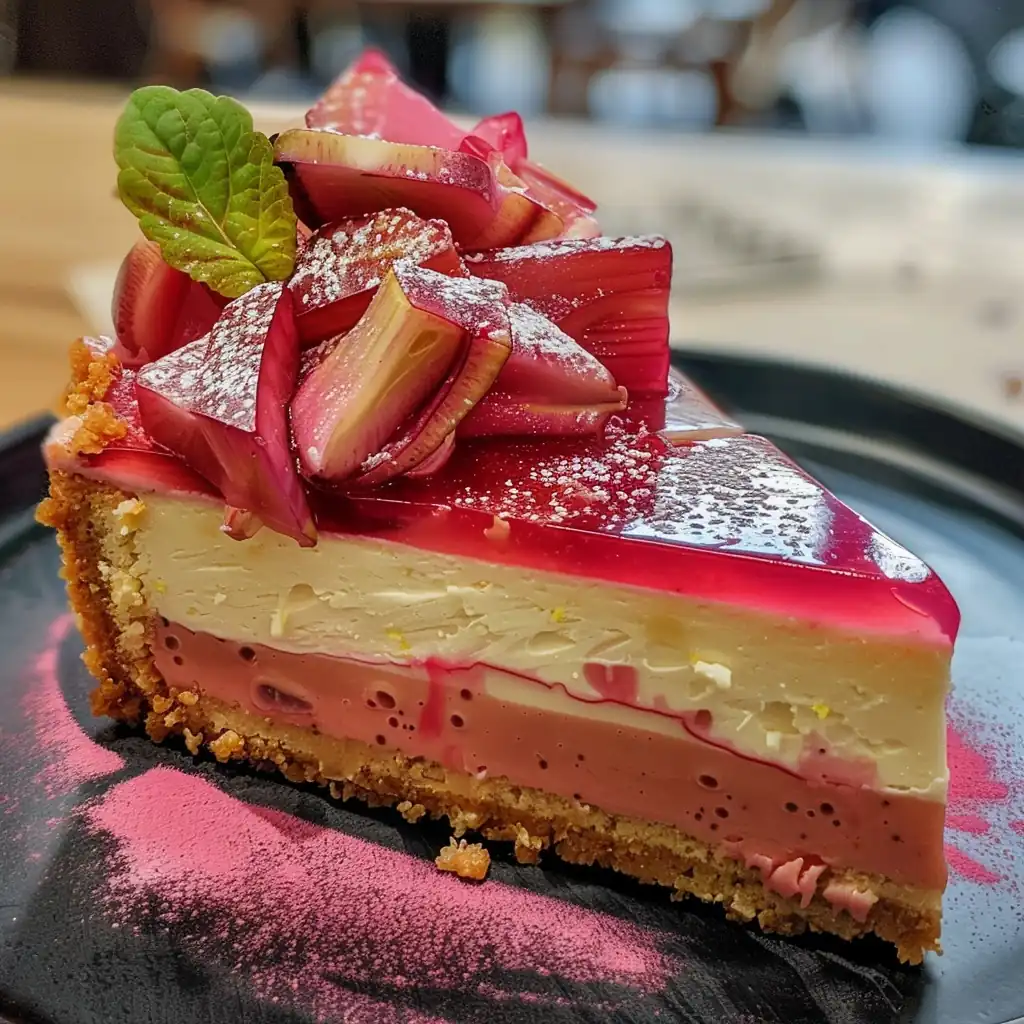
The Magic of Spring’s Tartest Treat |
I can still smell the sharp, electric scent of simmering rhubarb stalks floating through my grandmother’s kitchen on a rainy April afternoon! The sound of the bubbling sugar and the sight of those vibrant, ruby-red stems softening into a jammy concentrate always signaled that spring had officially arrived in our home. It is a sensory explosion that wakes up the palate like nothing else can!
Early attempts at this were a complete disaster because I once forgot that rhubarb releases an ocean of liquid when heated. I ended up with a soggy, soup-like pie that slid right off the crust, leaving me heartbroken and hungry! After a few trial-and-error sessions with thickeners, I finally cracked the code to getting that perfect, glossy consistency every single time.
- ●The flavor profile hits every note because the natural acidity of the rhubarb cuts through heavy sweets. It creates a sophisticated balance that prevents the dessert from feeling overly sugary.
- ●Seasonal freshness is unmatched here. Using garden-fresh stalks ensures you get a bright, punchy flavor that store-bought frozen versions simply cannot replicate.
- ●Versatility is the name of the game. You can easily pivot this filling into a tart, a crumble, or even a savory glaze for roasted pork.
- ●Texture contrast makes every bite exciting. The buttery, flaky crust paired with the soft, jammy fruit creates a mouthfeel that is absolutely addictive.
- ●It is an impressive showstopper for guests. The brilliant red color of the filling looks stunning when sliced, making it a centerpiece-worthy dish for any brunch.
Essential Ingredients |
Fresh Rhubarb provides the essential malic acid which gives the dish its signature tang and helps break down the pectin for a thick texture.
Granulated Sugar does more than sweeten; it draws moisture out of the stalks through osmosis to create a natural syrup.
Cornstarch acts as the thickening agent, reacting with the heat to gel the fruit juices and prevent a runny filling.
Unsalted Butter adds rich lipids that mellow the sharpness of the fruit and create a flaky, tender crust.
Lemon Zest introduces aromatic oils that bridge the gap between the tart rhubarb and the sweet sugar, adding a citrusy top note.
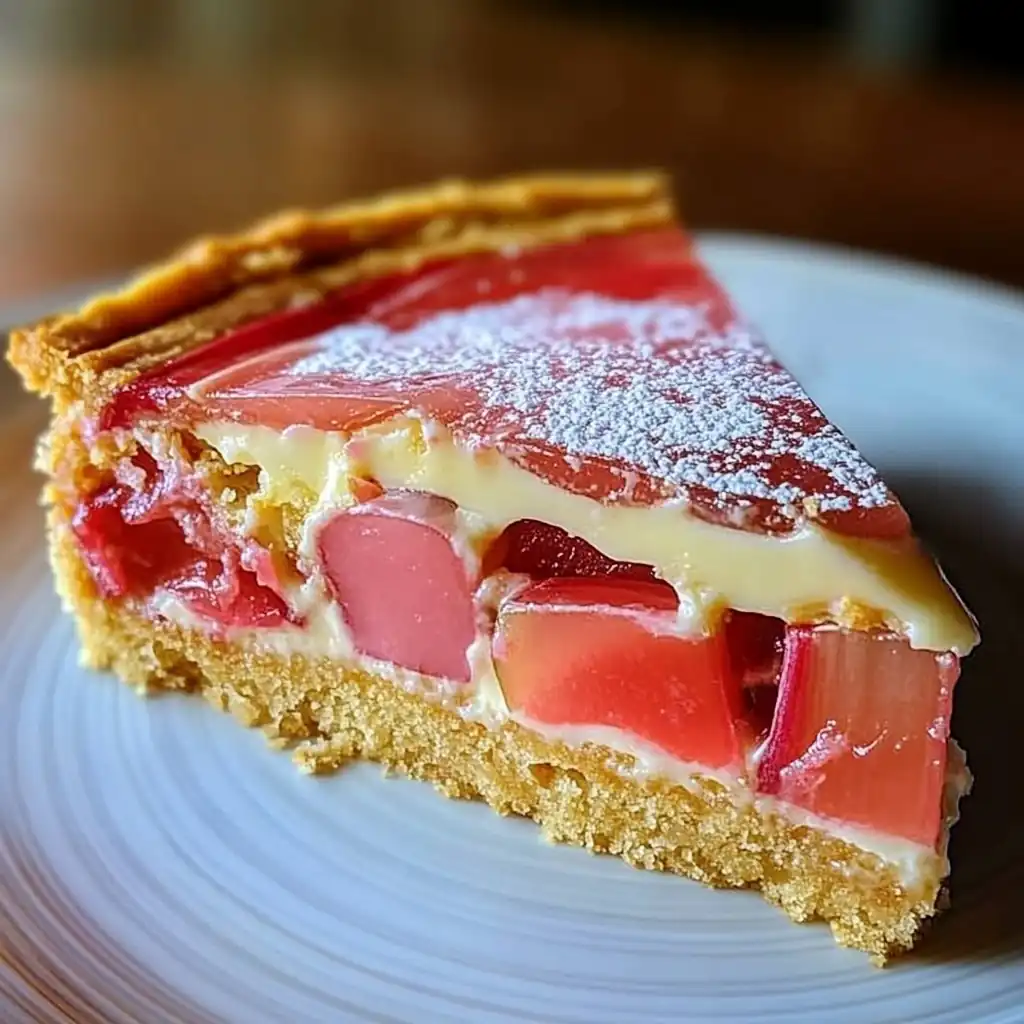 Let’s Make it Together |
- Preheat your oven to 425°F. Ensure the rack is in the center position so the heat distributes evenly, or you risk burning the bottom crust.
- Dice your rhubarb into one-inch pieces. Look for a uniform size to ensure every piece softens at the same rate, avoiding raw chunks.
- Toss the rhubarb with sugar and cornstarch in a large bowl. Stir gently until the stalks are coated in a pale frosting, avoiding over-mixing which can make the filling gummy.
- Roll out your chilled pie dough and press it firmly into the pan. Make sure the edges are flush against the rim; otherwise, the crust might shrink during baking.
- Pour the fruit mixture into the shell and cover with a top crust. Crimp the edges tightly with your fingers to seal in the juices and prevent leakage.
- Bake for 45 to 50 minutes until the crust is golden brown. Watch for the juices to bubble thick and slow in the center to ensure the starch has activated.
Never eat the leaves of the rhubarb plant because they contain toxic levels of oxalic acid.
Keep your dough cold until the very last second to ensure a flaky crust.
Avoid over-stirring the filling once it is in the oven to prevent the fruit from turning into mush.
Check your oven temperature with a separate thermometer for total accuracy.
Allow the pie to cool for at least three hours before slicing to let the filling set.
Perfecting the Cooking Process |
Temperature control is the secret to a professional result. Starting the pie at a high heat of 425°F shocks the crust, creating those beautiful airy layers, before you drop the temp to 350°F to cook the fruit through without scorching the edges.
Timing is equally critical when dealing with the cornstarch. If you pull the pie out too early, the filling will be liquid; if you leave it too long, the sugar will caramelize into a bitter burnt taste. Look for those thick, lazy bubbles!
Add Your Touch |
Try mixing in fresh strawberries to create a classic Strawberry-Rhubarb blend. The berries add a floral sweetness and a deeper red color that complements the tart stalks perfectly.
For a savory twist, swap the sugar for a pinch of salt and a splash of white wine. Use this as a condiment for grilled salmon or roast chicken to cut through the richness of the meat.
Storing & Reheating |
Store any leftovers in an airtight container in the refrigerator for up to five days. Keep the slices separated with parchment paper to prevent the crusts from sticking together.
Reheat individual slices in a toaster oven at 300°F for about ten minutes. Avoid the microwave, as it will make the crust rubbery and the filling too runny.
1Chill your baking dish in the freezer for ten minutes before adding the dough.
2Brush the top crust with an egg wash for a professional, high-gloss golden finish.
3Use a potato masher to lightly crush a few pieces of rhubarb for a thicker texture.
4Sift your cornstarch to remove any lumps before adding it to the fruit.
5Add a pinch of cinnamon to add warmth and depth to the flavor profile.
FAQ |
- ●Q: Can I use frozen rhubarb instead of fresh?A: Yes, you absolutely can, but you must be careful with the moisture. Frozen rhubarb releases significantly more liquid than fresh, so I recommend increasing the cornstarch tablespoon to ensure your pie doesn’t turn into a soup.
- ●Q: Why is my rhubarb pie filling still runny after baking?A: This usually happens if the filling didn’t reach a boiling point or if the pie wasn’t allowed to cool completely. The cornstarch needs heat to activate and then cooling time to set the structure of the jammy filling.
- ●Q: How do I prevent the edges of the crust from burning?A: The best trick is to use a pie shield or a ring of aluminum foil around the edges. Because the edges are thinner and more exposed to heat than the center, they often brown way too quickly.
- ●Q: What is the best way to peel rhubarb?A: Most people don’t actually need to peel rhubarb! If the skin is very tough or stringy, you can use a vegetable peeler, but usually, the skin softens beautifully during the baking process and adds great color.
Rhubarb Recipes: Delicious Ideas for Pies, Sauces, and Savory Dishes
- Total Time: 1 hour 20 minutes
- Yield: 8 servings 1x
Description
A perfectly balanced Rhubarb Pie with a flaky golden crust and a tangy, jammy filling that captures the essence of spring.
Ingredients
- 5 cups fresh rhubarb, chopped
- 1.5 cups granulated sugar
- 3 tablespoons cornstarch
- 1 tablespoon lemon zest
- Double crust pie pastry (homemade or store-bought)
- 2 tablespoons unsalted butter, cubed
Instructions
- Preheat oven to 425°F.
- Toss chopped rhubarb with sugar, cornstarch, and lemon zest in a bowl.
- Roll out bottom crust and fit into a 9-inch pie plate.
- Pour rhubarb mixture into the crust and dot with butter cubes.
- Cover with top crust and crimp edges to seal.
- Bake at 425°F for 15 mins, then reduce to 350°F and bake for 30-35 mins until golden.
- Prep Time: 30 minutes
- Cook Time: 50 minutes
- Category: Dessert
- Method: Baking
- Cuisine: American


