The Art of the Amber Melt |
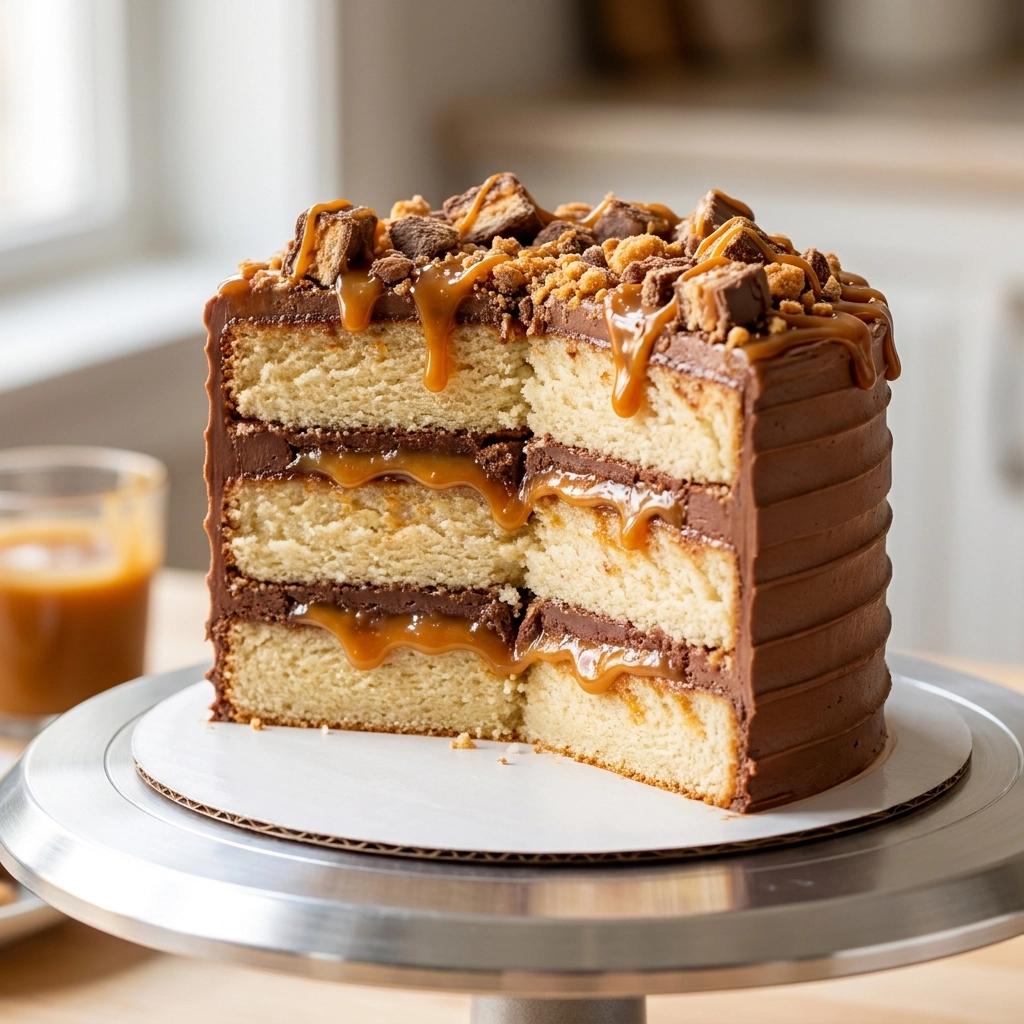
The air thickens with a heady, toasted scent of burnt sugar and salted cream, a fragrance that signals the transition from simple sweetness to a complex, sophisticated depth of flavor. Most home bakers believe that caramelizing sugar is a volatile gamble, but the secret lies in understanding that sucrose is actually a crystal that only needs a specific thermal catalyst to break down and reorganize into these rich, golden polymers.
Achieving a professional-grade filling requires more than just heat; it demands a rhythmic dance between temperature and timing to avoid the dreaded crystallization. When you witness the syrup shifting from a pale gold to a deep, mahogany brown, you are seeing the Maillard reaction in its purest form, creating a flavor profile that is simultaneously bitter and sweet, providing the essential structural backbone for any high-end pastry.
- ●Unmatched versatility for use in macarons, cupcakes, or tart shells.
- ●A texture that remains silky and stable without becoming grainy.
- ●The deep, complex flavor profile achieved through controlled caramelization.
- ●A reliable method that eliminates the guesswork of sugar temperatures.
- ●A rich, buttery mouthfeel that lingers longer than standard syrups.
Essential Ingredients |
Granulated Sugar is chemically a mixture of glucose and fructose, which allows it to melt into a liquid state when heated. It provides the primary structure and the characteristic sweetness of the filling.
Unsalted Butter contains approximately 15% water and 82% fat, which acts as an emulsifier to stop the sugar from recrystallizing. It adds a creamy, savory note that balances the intense sugar heat.
Heavy Cream is a concentrated emulsion of milk fats that prevents the caramel from hardening into a brittle candy. It transforms the syrup into a lush, spreadable filling.
Sea Salt is a mineral-rich crystal that doesn’t just add flavor, but actually suppresses the perception of bitterness. It brightens the entire flavor profile, making the caramel taste more vibrant.
Vanilla Extract is a complex aromatic compound derived from orchids that adds a floral bridge between the butter and sugar. It rounds out the sharp edges of the caramelization process.
 Let’s Make it Together |
- Go ahead and pour your sugar into a heavy-bottomed saucepan over medium heat; just let it sit there and melt slowly without stirring it too much at first.
- You’ll notice the sugar starting to clump and then melt into a golden pool, so keep a close eye on the edges and gently swirl the pan to ensure an even color.
- Once it reaches a deep amber hue, carefully whisk in your butter, but be ready because the mixture will bubble up violently—just keep whisking until it’s smooth.
- Now, slowly stream in your heavy cream while whisking constantly, making sure you don’t dump it all in at once or you’ll risk a messy overflow.
- Trust your nose here; once that sharp burnt scent mellows into a creamy aroma, stir in your sea salt and vanilla extract.
- Your pan should be removed from the heat immediately now, allowing the filling to cool slightly before you transfer it to a glass jar.
Avoid using a thin pan as it creates hot spots that burn the sugar instantly.
Never stir the sugar with a spoon until it has fully melted to prevent crystallization.
Wear an apron or long sleeves because molten sugar causes severe burns on contact.
Ensure your cream is at room temperature to avoid a violent reaction when mixing.
Do not overcook the sugar past dark brown or the filling will taste bitter.
Perfecting the Cooking Process |
The science of caramel hinges on the temperature range between 320°F and 350°F. At this stage, the sugar molecules break apart and reform into polymers, creating the characteristic brown color and nutty flavor. If you pull the pan off the heat too early, you’ll have a simple syrup; too late, and the carbonization creates an acrid, burnt taste that cannot be reversed.
Timing is everything when adding the fats. The butter must be incorporated precisely when the sugar reaches the “hard crack” stage, effectively halting the temperature climb. This creates a stable emulsion where the fat coats the sugar crystals, preventing them from bonding back together and ensuring the final filling is silky rather than grainy.
You’ll notice that the viscosity changes rapidly during the final whisking phase. The goal is to reach a nappé consistency, where the caramel coats the back of a spoon in a thick, opaque layer. This is achieved mixture for an additional two minutes after adding the cream to evaporate excess moisture and concentrate the flavor.
Add Your Touch |
For a sophisticated adult twist, stir in a tablespoon of espresso powder or a splash of dark rum during the final stage of mixing. The bitterness of the coffee or the oaky notes of the rum cut through the sugar, creating a complex profile reminiscent of a high-end confectionery shop.
If you prefer a fruity contrast, fold in a teaspoon of lemon zest or a drop of orange blossom water. This acidity breaks the richness of the butter and transforms the filling into a bright, citrusy accompaniment that pairs beautifully with white chocolate or almond cakes.
Storing & Reheating |
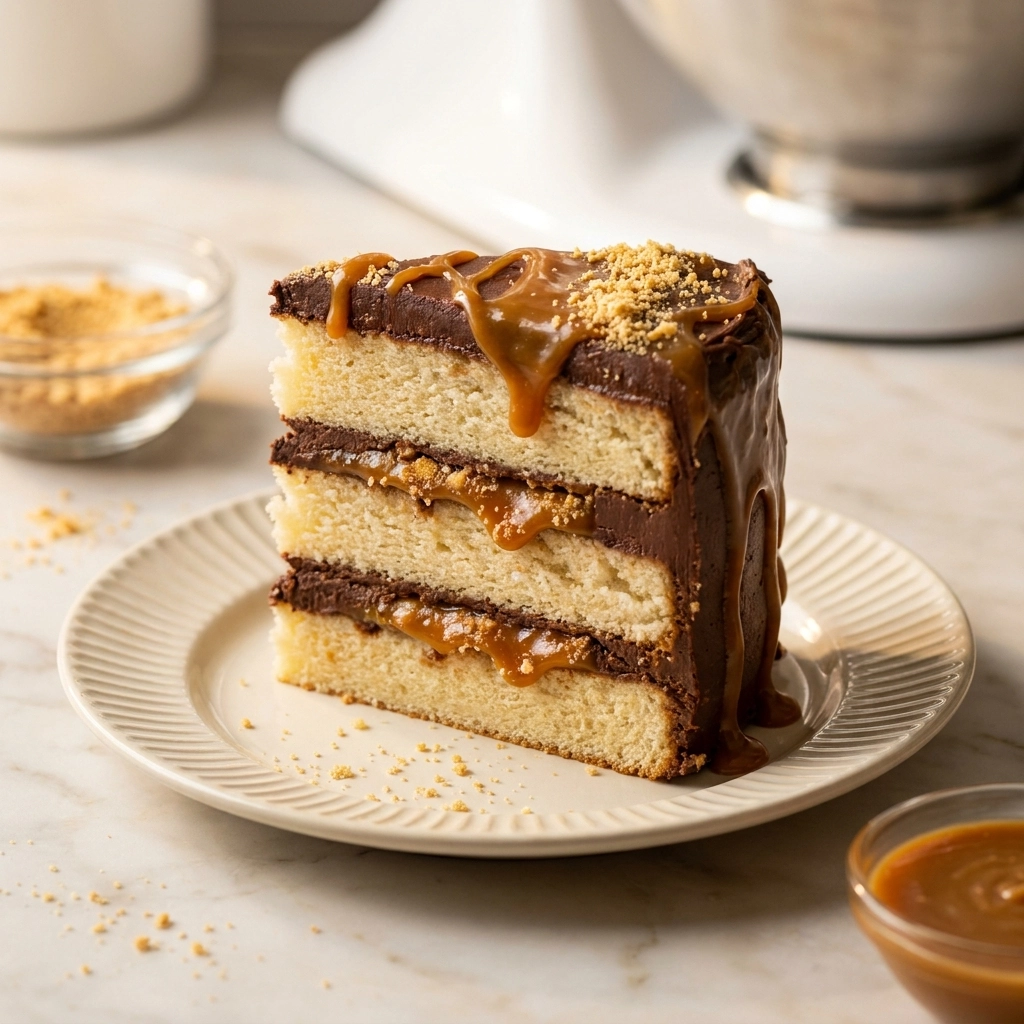
Store your filling in an airtight glass jar in the refrigerator for up to two weeks. The cold temperatures will firm up the butter, making the filling easier to pipe into cupcakes or tarts.
To return the filling to a pourable state, microwave it in 15-second bursts, stirring in between. Avoid overheating it, as the emulsion can break, causing the butter to separate from the sugar.
1Use a light-colored pan so you can accurately monitor the color of the melting sugar.
2If the sugar crystallizes, add a tiny squeeze of lemon juice to dissolve the grains.
3Always whisk from the center outward to incorporate air and ensure a smooth texture.
4Sift your sugar if it has clumped in the bag to ensure a faster, even melt.
5Use a digital thermometer to hit exactly 340°F for the most consistent results.
FAQ |
- ●Q: Why did my caramel turn into a hard rock after cooling?A: This usually happens because there wasn’t enough fat or moisture from the cream to keep the sugar molecules apart. Ensure you are using full-fat heavy cream and that your measurements are precise to maintain the soft, filling-like consistency.
- ●Q: Can I make this recipe vegan or dairy-free?A: Yes, you can substitute the butter with a high-quality vegan butter and the heavy cream with a thick coconut cream. However, be aware that the flavor will lean more toward coconut and the melting point may differ slightly.
- ●Q: How do I stop the sugar from crystallizing on the sides of the pan?A: Use a pastry brush dipped in warm water to wash down the sides of the pot during the melting phase. This pushes any stray crystals back into the main mass of melting sugar to be dissolved.
- ●Q: Is there a difference between using white sugar and brown sugar?A: White sugar provides a clean, classic caramel taste, whereas brown sugar contains molasses which adds a deeper, more autumnal flavor. For this specific filling, white sugar is recommended for the clearest color control.
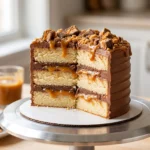
The Master Guide to Silky Caramel Filling: A Journalistic Approach to Confectionery
- Total Time: 30 minutes
- Yield: 2 cups 1x
Description
A rich, professional-grade caramel filling with a perfect balance of buttery sweetness and sea salt, ideal for cakes and pastries.
Ingredients
- 1 cup granulated sugar
- 6 tbsp unsalted butter, cubed
- 1/2 cup heavy cream
- 1/2 tsp sea salt
- 1 tsp vanilla extract
Instructions
- Heat sugar in a heavy saucepan over medium heat without stirring.
- Swirl pan occasionally until sugar melts into a deep amber liquid.
- Whisk in cubed butter until fully incorporated and smooth.
- Slowly pour in heavy cream while whisking constantly.
- Simmer for 2 minutes to thicken slightly.
- Remove from heat and stir in sea salt and vanilla extract.
- Cool slightly before transferring to a storage container.
- Prep Time: 10 minutes
- Cook Time: 20 minutes
- Category: Filling/Sauce
- Method: Stovetop
- Cuisine: French-inspired