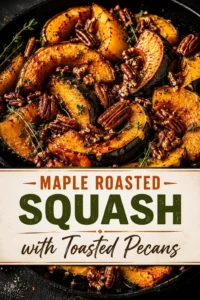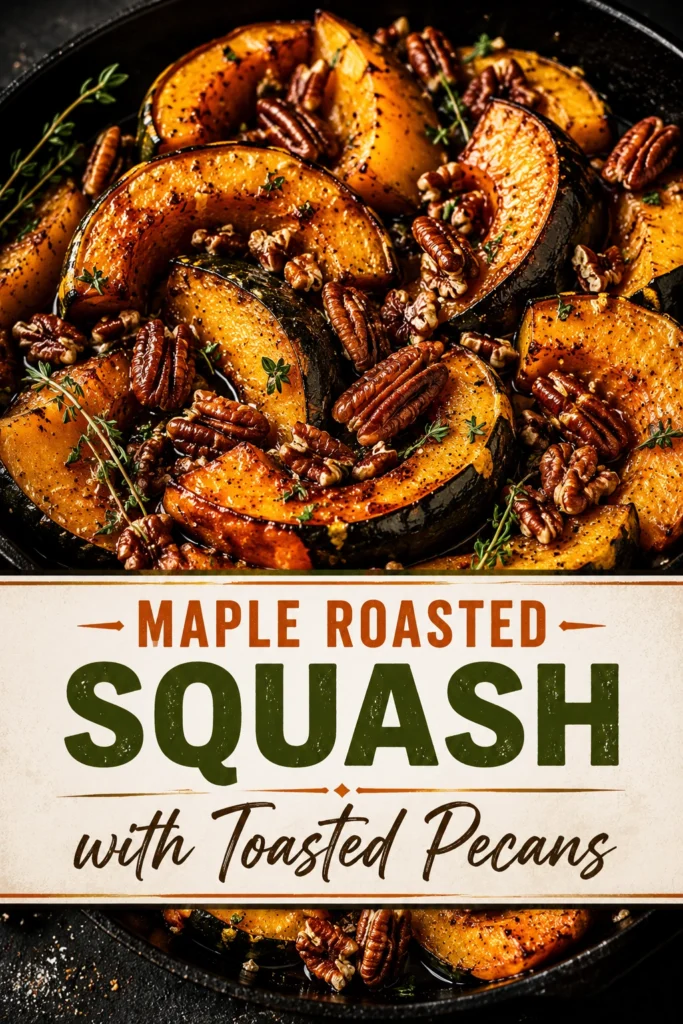
Caramelizing winter squash in the oven transforms a dense vegetable into something tender and sweet. The natural sugars in the squash concentrate under high heat, creating browned edges that contrast with a soft interior.
This recipe combines the earthy tones of squash with the woody sweetness of maple syrup and the crunch of pecans. It serves as a versatile accompaniment to proteins or a standalone vegetarian centerpiece.
Many people avoid squash because of the peeling and chopping involved. This method focuses on uniform cuts to reduce active labor, making it a viable option for a busy cook.
The addition of toasted pecans provides a textural contrast that is often missing from traditional roasted vegetable dishes. This crunch prevents the dish from feeling one-dimensional in texture.
Unlike store-bought pre-cut squash, which can sometimes be dry or flavorless, roasting fresh squash with a maple glaze ensures the moisture stays locked inside while the exterior browns.
This dish is suitable for those seeking a nutrient-dense side that appeals to both children and adults due to its mild, sweet profile.
The following guide outlines the specific steps and ingredient choices needed to achieve a balanced result.
- ●Why You’ll Love This Recipe
- ●A Brief Background on Flavor Balance
- ●Perfect For Autumn Gatherings and Weeknights
- ●Main Ingredient Spotlight: Winter Squash
- ●Secondary Ingredient Spotlight: Maple Syrup
- ●Key Ingredients
- ●How to Make It
- ●Pro Tips
- ●Flavor Variations
- ●Best Ways to Serve
- ●Storage and Leftovers
- ●Frequently Asked Questions
- ●Why This Recipe Belongs in Your Weekly Rotation
- ●Final Thoughts
Combining hearty vegetables with a sweet glaze creates a sophisticated profile that requires very little effort to execute.
- ●The maple glaze creates a glossy, caramelized coating on every cube.
- ●Toasted pecans add a buttery, nutty depth to the sweetness.
- ●It utilizes seasonal produce at its peak nutritional value.
- ●The prep time is minimal once the squash is cubed.
- ●It works well as a side dish for turkey, pork, or roasted chicken.
- ●The flavors transition well from a savory dinner side to a breakfast bowl addition.
- ●It provides a high amount of Vitamin A and fiber.
- ●The roasting process enhances the natural sugars without needing excessive additives.
This combination of textures and flavors ensures that the squash remains the star of the plate while the pecans provide necessary contrast.
A Brief Background on Flavor Balance |
The success of this dish relies on the balance between the earthy base of the squash and the concentrated sweetness of the maple syrup. Without the syrup, roasted squash can sometimes taste overly bland or purely starchy.
Pecans are used here not just for crunch, but for their specific fat content. When toasted, pecans release oils that complement the maple syrup, creating a flavor profile similar to traditional autumn sweets, but in a savory context.
Adding a pinch of salt and a touch of acidity or spice helps cut through the sugar, preventing the dish from tasting like a dessert. This balance makes it a cohesive part of a meal.
Perfect For Autumn Gatherings and Weeknights |
On busy weeknights, this recipe is a reliable choice because most of the work happens inside the oven. Once the vegetables are tossed in the glaze and spread on a pan, the cook is free to prepare other components of the meal.
For meal prep, roasted squash holds its structure better than steamed or boiled versions. It can be stored in the fridge and added to a Cozy Roasted Butternut Squash Quinoa Salad Recipe throughout the week.
During the holidays, this dish replaces more labor-intensive sides. It is elegant enough for a Thanksgiving table but simple enough that it does not require constant monitoring while the main course is cooking.
Main Ingredient Spotlight: Winter Squash |
Butternut squash is the preferred choice for this recipe due to its creamy texture and moderate sweetness. Its dense flesh holds up well to high heat, allowing the outside to caramelize without the inside turning to mush.
The high beta-carotene content gives the squash its vibrant orange color, which remains visually appealing after roasting. Using a fresh squash instead of canned puree ensures the cubes maintain a distinct shape and a satisfying bite.
Secondary Ingredient Spotlight: Maple Syrup |
Maple syrup acts as both a sweetener and a glazing agent. Unlike granulated sugar, maple syrup dissolves instantly into the oil, ensuring an even coating across all the vegetable pieces.
The distinct, woody flavor of maple syrup pairs naturally with the earthiness of the squash. It provides a depth of flavor that honey or agave cannot replicate, specifically evoking the scents of the autumn season.
Key Ingredients |
Each component in this list serves a specific purpose in building the final flavor and texture of the dish.
- ●Butternut Squash — provides the hearty, creamy base and natural sweetness.
- ●Maple Syrup — creates the caramelized glaze and adds a woody sweetness.
- ●Olive Oil — helps the squash brown evenly and prevents sticking to the pan.
- ●Pecans — adds a buttery crunch and nutty aromatic quality.
- ●Salt — enhances all other flavors and balances the sugar.
- ●Black Pepper — adds a subtle warmth and sharp contrast to the maple.
- ●Butter — adds richness and helps the pecans toast more deeply.
How to Make It |
Follow these steps to ensure the squash is tender and the glaze is properly caramelized.
- Prep the oven and pan: Preheat your oven to 400°F (200°C). Line a large rimmed baking sheet with parchment paper or silicone mats to prevent the maple syrup from sticking and burning onto the metal.
- Cube the squash: Peel the squash and remove the seeds. Cut the flesh into uniform 1-inch cubes. Keeping the size consistent is vital so that every piece cooks at the same rate, avoiding a mix of burnt and raw chunks.
- Toss with glaze: In a large bowl, combine the squash cubes with olive oil, maple syrup, salt, and pepper. Stir until every piece is thoroughly coated. If the cubes are crowded in the bowl, they may not get enough glaze, leading to uneven browning.
- Roast the squash: Spread the squash in a single layer on the prepared baking sheet. Ensure the pieces are not touching; if they are too close, they will steam instead of roast, resulting in a soft texture rather than caramelized edges. Bake for 20 to 25 minutes.
- Toast the pecans: While the squash is in its final few minutes of roasting, place pecans in a small skillet over medium heat with a small knob of butter. Stir constantly for 3 to 5 minutes until the nuts smell fragrant and look golden brown. Remove them immediately to prevent burning.
- Combine and finish: Remove the baking sheet from the oven. While the squash is still hot, toss the toasted pecans directly onto the pan or combine everything in a serving bowl. The residual heat helps the pecans adhere to the maple glaze.
1Small adjustments in technique can significantly improve the final texture and flavor of the roast.
- ●2Use a large sheet pan: Overcrowding the pan creates steam, which prevents the edges from browning. Use two pans if necessary to keep the cubes separated.
- ●3Dry the squash: After cutting the squash, pat the cubes dry with a paper towel before adding the oil and syrup. Excess moisture on the surface hinders caramelization.
- ●4Watch the pecans: Pecans contain high oil content and can go from toasted to burnt in seconds. Stay at the stove and stir them continuously.
- ●5Rotate the pan: Halfway through the roasting time, rotate the baking sheet 180 degrees. This compensates for oven hot spots and ensures an even color.
- ●6Add a pinch of cinnamon: For a warmer profile, add a small amount of ground cinnamon to the maple mixture before tossing.
Flavor Variations |
Depending on the occasion or dietary needs, you can modify the ingredients to change the flavor profile.
- ●Savory Herb Twist: Stir in fresh chopped sage or thyme during the last 5 minutes of roasting for an earthy, aromatic finish.
- ●Spicy Maple: Add a pinch of cayenne pepper or red pepper flakes to the glaze to create a sweet-and-spicy contrast.
- ●Cheese Addition: Sprinkle crumbled feta or goat cheese over the finished dish to add a salty, tangy element.
- ●Nut Swap: Replace pecans with toasted walnuts or slivered almonds for a different type of crunch and flavor.
- ●Citrus Lift: Squeeze fresh lemon or orange juice over the squash immediately after removing it from the oven to brighten the heavy flavors.
These changes allow the recipe to fit different meal themes, from a light lunch to a heavy holiday feast.
Best Ways to Serve |
This dish is versatile and can be presented in several ways depending on whether it is a side or a main.
- ●As a side dish for roast turkey, pork loin, or grilled salmon.
- ●Folded into a warm grain bowl with farro or quinoa.
- ●Served atop a bed of fresh arugula with a drizzle of balsamic glaze.
- ●As part of a vegetarian platter with roasted carrots and Brussels sprouts.
For a more formal presentation, arrange the squash on a platter and garnish with fresh parsley or whole sage leaves. The contrast of green herbs against the orange squash makes the dish visually striking.
If serving as a brunch item, place the roasted squash alongside poached eggs and avocado. The sweetness of the maple pairs well with the richness of the yolk.
Storage and Leftovers |
Refrigerating
Store leftover squash in an airtight container in the refrigerator for up to 4 days. The pecans may lose some crunch over time, so consider storing them in a separate small container.
Reheating
Reheat in an oven or air fryer at 350°F for 5 to 8 minutes. This restores the exterior crispness better than a microwave, which can make the squash overly soft.
Freezing
Roasted squash can be frozen for up to 3 months. Freeze in a single layer on a tray before transferring to a bag to prevent clumping. Thaw in the fridge before reheating.
Frequently Asked Questions |
- ●Q: Can I use a different type of squash for this recipe?A: Yes, you can use acorn squash or kabocha squash. Acorn squash has a slightly nuttier flavor and a firmer texture. If using acorn squash, you can leave the skin on, as it is edible and holds the shape well during roasting.
- ●Q: What is the best substitute for maple syrup?A: Honey is the most common substitute, though it provides a floral sweetness rather than a woody one. Brown rice syrup or agave nectar also work, but you may need to add a pinch more salt to balance the different sugar profiles of these syrups.
- ●Q: Why did my squash turn out mushy instead of caramelized?A: This usually happens if the pan was overcrowded or the oven temperature was too low. When pieces touch, they release moisture that steams the vegetable. Ensure there is space between each cube and that the oven is fully preheated to 400°F.
- ●Q: Do I have to peel the butternut squash?A: For butternut squash, peeling is necessary because the skin is tough and waxy, which makes it unpleasant to eat. However, for varieties like delicata or kabocha, the skin is thin enough to leave intact, which adds a nice visual contrast.
- ●Q: Can I toast the pecans in the oven instead of a skillet?A: Yes, you can spread the pecans on a small tray and roast them at 350°F for 5 to 7 minutes. Be careful, as they can burn quickly. Stir them once halfway through to ensure they brown evenly on all sides.
Why This Recipe Belongs in Your Weekly Rotation |
Incorporating this dish into a weekly routine provides a simple way to eat more vegetables without sacrificing flavor. The combination of healthy fats from olive oil and pecans with the vitamins in the squash makes it a nutritionally dense option.
It simplifies the cooking process by utilizing a single pan for the bulk of the work. This reduces cleanup time and allows the cook to focus on other parts of the meal.
Whether used as a sophisticated side or a base for a salad, the flavor profile is consistently satisfying. It brings a touch of seasonal warmth to the table throughout the colder months.
Final Thoughts |
This recipe transforms a simple winter vegetable into a complex side dish using a few pantry staples. The pairing of maple syrup and toasted pecans creates a balance of sweetness and crunch that enhances the natural creaminess of the squash.
Making this dish allows you to enjoy a restaurant-quality side at home with minimal effort. It is a reliable way to introduce more seasonal produce into your diet while keeping preparation times low.
Bring the comforting flavors of autumn to your kitchen by roasting a batch of this maple-glazed squash today.
Maple Roasted Squash with Toasted Pecans
- Total Time: 45 minutes
- Yield: 4 servings 1x
Description
Tender cubes of butternut squash roasted with a maple glaze and topped with buttery toasted pecans for a sweet and savory autumn side.
Ingredients
- 1 medium butternut squash, peeled and cubed (1-inch pieces)
- 2 tablespoons olive oil
- 3 tablespoons pure maple syrup
- 1/2 teaspoon salt
- 1/4 teaspoon black pepper
- 1/2 cup pecans, roughly chopped
- 1 tablespoon unsalted butter
Instructions
- Preheat oven to 400°F (200°C) and line a large baking sheet with parchment paper.
- In a large mixing bowl, toss the cubed butternut squash with olive oil, maple syrup, salt, and black pepper until evenly coated.
- Spread the squash in a single layer on the baking sheet, ensuring pieces do not touch.
- Roast for 20 to 25 minutes, rotating the pan halfway through, until the edges are browned and the centers are tender.
- While squash is roasting, melt butter in a skillet over medium heat and add chopped pecans.
- Toast pecans for 3 to 5 minutes, stirring constantly until fragrant and golden brown.
- Remove squash from the oven and immediately toss with the toasted pecans before serving.
- Prep Time: 15 minutes
- Cook Time: 30 minutes
- Category: Side Dish
- Method: Roasting
- Cuisine: American