Introduction |
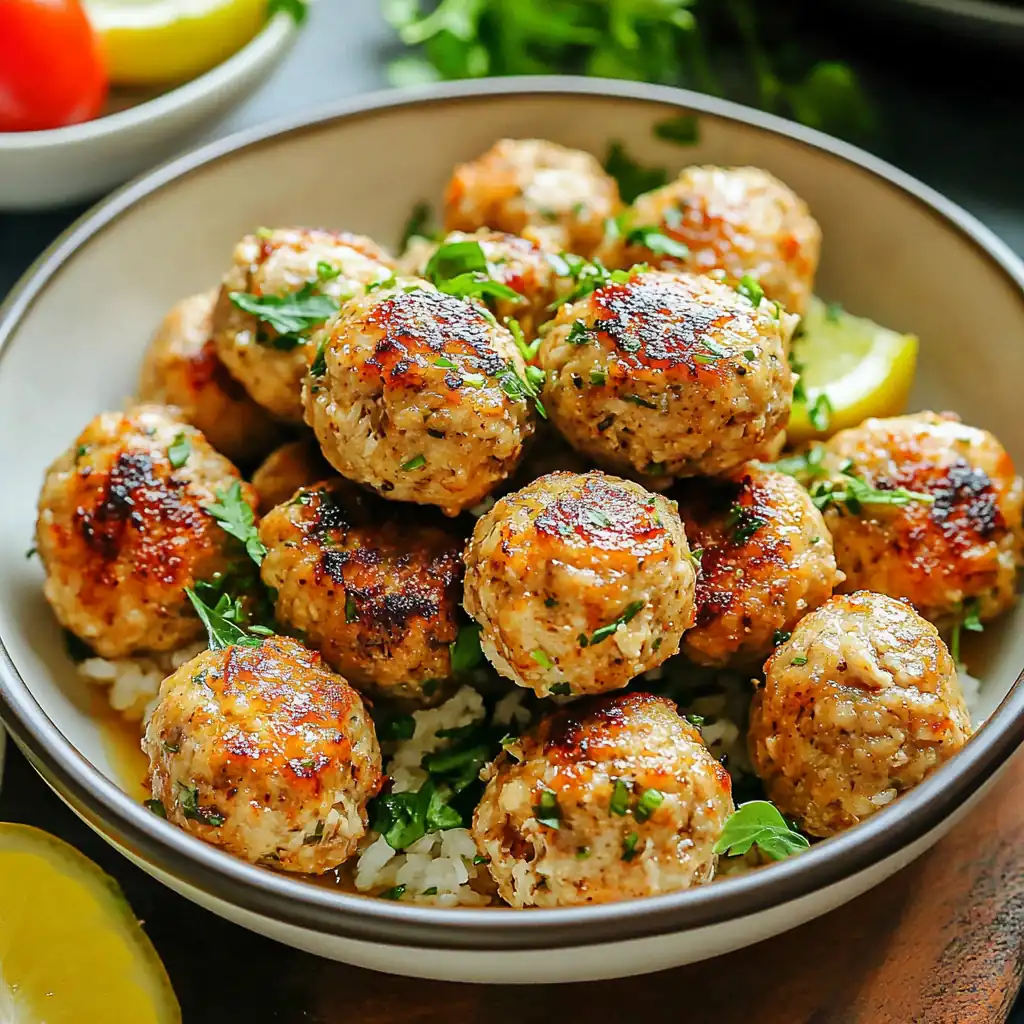
I remember the first time I perfected these meatballs in a small coastal kitchen; the air was thick with the scent of roasting garlic and wild oregano. The most visceral part of the experience was the aggressive sizzling sound as the cold meat hit the shimmering olive oil, a rhythmic percussion that signaled the start of a flavor transformation.
There is a technical precision required to balance the lean nature of chicken with the bold, acidic notes of the Mediterranean. Achieving that elusive tender crumb while maintaining a golden-brown exterior requires a steady hand and an understanding of how moisture interacts with heat during the searing process.
- ●The texture is impeccably light because we use a specific ratio of binders that prevents the chicken from becoming rubbery. This ensures every bite melts in your mouth without losing the structural integrity of the meatball.
- ●The flavor profile is deeply complex due to the infusion of fresh lemon zest and dried oregano. These ingredients cut through the richness of the meat to create a bright, refreshing finish.
- ●It is an incredibly versatile protein option that works across multiple meal formats. You can serve these in a pita, over a bed of quinoa, or alongside a classic Greek salad for a complete meal.
- ●The preparation is designed for efficiency without sacrificing gourmet quality. You can mix the base in bulk, making it an ideal candidate for high-protein weekly meal prepping.
- ●It utilizes heart-healthy fats from olive oil and fresh herbs for a nutritional boost. This makes the dish a satisfying alternative to traditional heavy red-meat meatballs.
Essential Ingredients |
Ground Chicken is actually more versatile than beef because it absorbs aromatics more efficiently, serving as the lean protein canvas for our Greek flavors.
Feta Cheese was originally created as a way to preserve sheep’s milk in brine, and here it provides the essential salty, tangy pockets of moisture within the meat.
Fresh Parsley contains high concentrations of Vitamin K, and in this recipe, it provides the necessary herbal brightness to balance the savory garlic.
Dried Oregano is a cornerstone of Mediterranean cuisine that retains its potency longer than fresh versions, offering a pungent, earthy depth to the meat.
Lemon Zest contains essential oils that are far more aromatic than the juice, providing a high-frequency citrus note that awakens the palate.
 Let’s Make it Together |
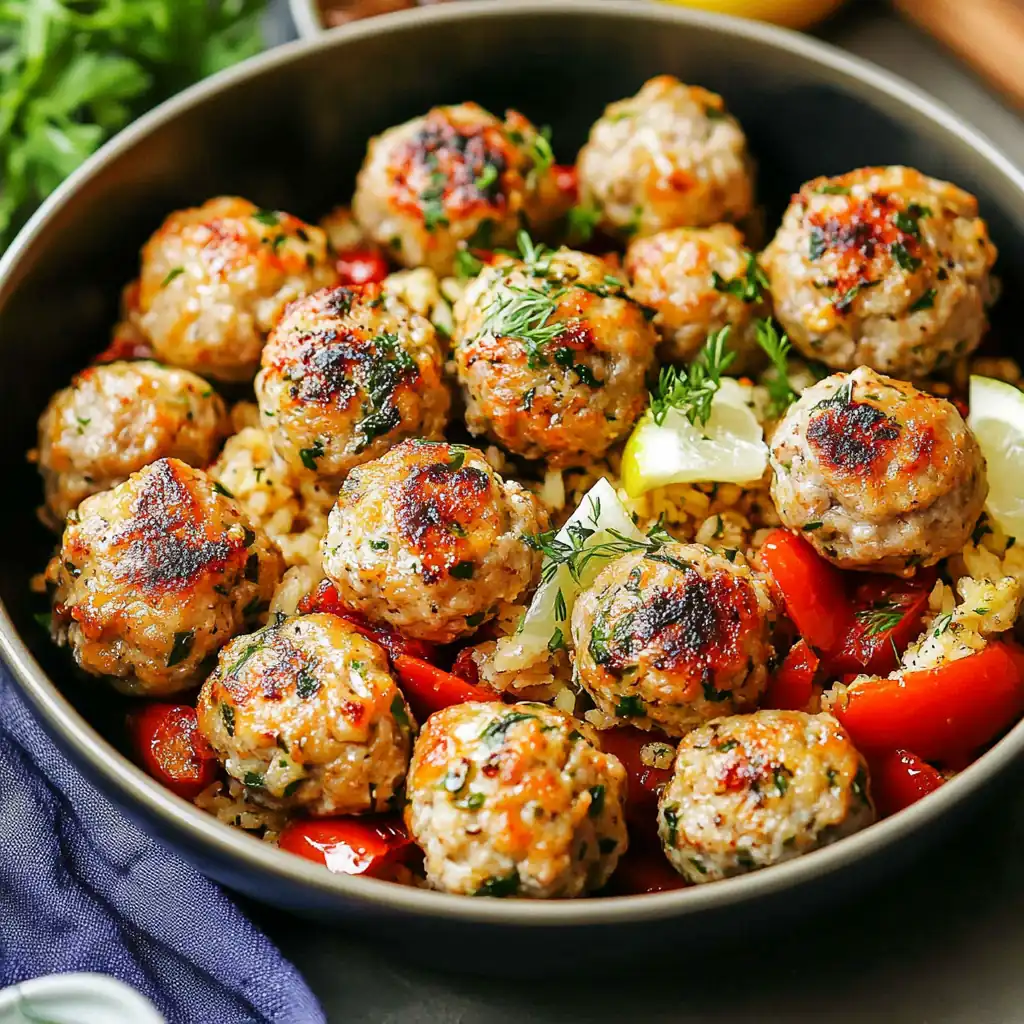
- First, go ahead and grab your large mixing bowl and toss in the ground chicken, crumbled feta, and lemon zest.
- Now, sprinkle in your oregano and chopped parsley, then add the minced garlic and a pinch of salt.
- Using your hands or a fork, gently fold everything together—don’t overwork it, or the meatballs will get tough.
- Your pan should be heating up over medium heat with a generous swirl of olive oil until it just begins to shimmer.
- Carefully scoop about two tablespoons of the mixture and roll them into balls, then drop them into the sizzling oil.
- Trust your nose here; once you smell the garlic browning and see a deep golden crust on all sides, they are nearly done.
- Finally, let them rest for three minutes off the heat so the juices redistribute throughout the center.
Avoid over-mixing the meat to prevent a rubbery texture.
Ensure your pan is hot before adding the meatballs to lock in juices.
Use a meat thermometer to hit an internal temperature of 165F.
Pat the chicken dry if there is excess moisture before forming balls.
Don’t overcrowd the pan or the meatballs will steam instead of sear.
Perfecting the Cooking Process |
Temperature control is the absolute catalyst for success with this dish. You want a medium-high heat that allows the Maillard reaction to occur—creating that brown, flavorful crust—without burning the delicate feta cheese on the exterior.
Timing is equally critical; the meatballs typically require 4-5 minutes per side. If you notice the oil smoking, reduce the heat immediately to avoid a bitter taste, and ensure you are flipping them only once or twice to maintain the structural integrity.
Add Your Touch |
You’ll notice that adding a tablespoon of almond flour or panko breadcrumbs can create a slightly firmer texture if you prefer a more traditional meatball feel. For those seeking a bolder punch, a teaspoon of smoked paprika adds a subtle wood-fired depth to the flavor profile.
Consider swapping the chicken for ground turkey if you want a leaner alternative, though you may need an extra tablespoon of olive oil to compensate for the lack of fat. You could also fold in some finely diced Kalamata olives for an extra burst of salty, briny flavor.
Storing & Reheating |
To store, let the meatballs cool completely before placing them in an airtight container. They will stay fresh and delicious in the refrigerator for up to four days, or you can freeze them for up to three months.
When reheating, avoid the microwave as it can make the chicken rubbery. Instead, use a skillet over medium heat with a touch of oil or pop them in a 350F oven for ten minutes to restore the original crispness.
1Squeeze a fresh lemon wedge over the meatballs immediately after cooking to brighten the flavor.
2Use a cookie scoop for perfectly uniform meatballs that cook at the exact same rate.
3Chill the meat mixture for 30 minutes before rolling to make them easier to handle.
4Pair these with a side of cold tzatziki sauce for a traditional Greek experience.
5Toast your pita bread slightly before serving to add a contrasting texture to the meal.
FAQ |
- ●Q: Why is my chicken meatball falling apart in the pan?
A: This usually happens if the meat is too wet or if you are flipping the meatballs too frequently. Allow a solid crust to form on one side before attempting to move them, and ensure you aren’t over-adding liquid ingredients. - ●Q: Can I bake these in the oven instead of frying?
A: Yes, you can bake them at 400F for about 15-20 minutes. However, you will lose the intense sear and caramelized flavor that comes from pan-frying, so I recommend brushing them with olive oil first. - ●Q: What is the best substitute for Feta cheese?
A: If you cannot find Feta, a firm goat cheese or a salty Ricotta Salata works well. The key is to find a cheese that is salty and tangy to maintain the authentic Mediterranean flavor profile. - ●Q: How do I know when the meatballs are fully cooked?
A: The most reliable method is using a digital meat thermometer to ensure the internal temperature reaches 165F. Visually, they should be golden brown and the center should feel firm when lightly pressed with a fork.

The Definitive Guide to Savory Greek Chicken Meatballs
- Total Time: 30 minutes
- Yield: 4 servings 1x
Description
Juicy and herb-infused Greek chicken meatballs featuring salty feta and bright lemon. A healthy, protein-packed Mediterranean delight.
Ingredients
- 1 lb Ground Chicken
- 1/2 cup crumbled Feta cheese
- 1/4 cup fresh parsley, chopped
- 1 tsp dried oregano
- 1 tbsp lemon zest
- 3 cloves garlic, minced
- 1/2 tsp salt
- 1/4 tsp black pepper
- 2 tbsp olive oil
Instructions
- Combine ground chicken, feta, lemon zest, garlic, parsley, oregano, salt, and pepper in a bowl.
- Gently mix the ingredients together until just combined.
- Form the mixture into 1-inch diameter meatballs.
- Heat olive oil in a large skillet over medium heat.
- Add meatballs to the pan and sear for 4-5 minutes per side until golden brown.
- Ensure internal temperature reaches 165F.
- Rest for 3 minutes before serving.
- Prep Time: 15 minutes
- Cook Time: 15 minutes
- Category: Dinner
- Method: Pan-Searing
- Cuisine: Greek