Introduction |
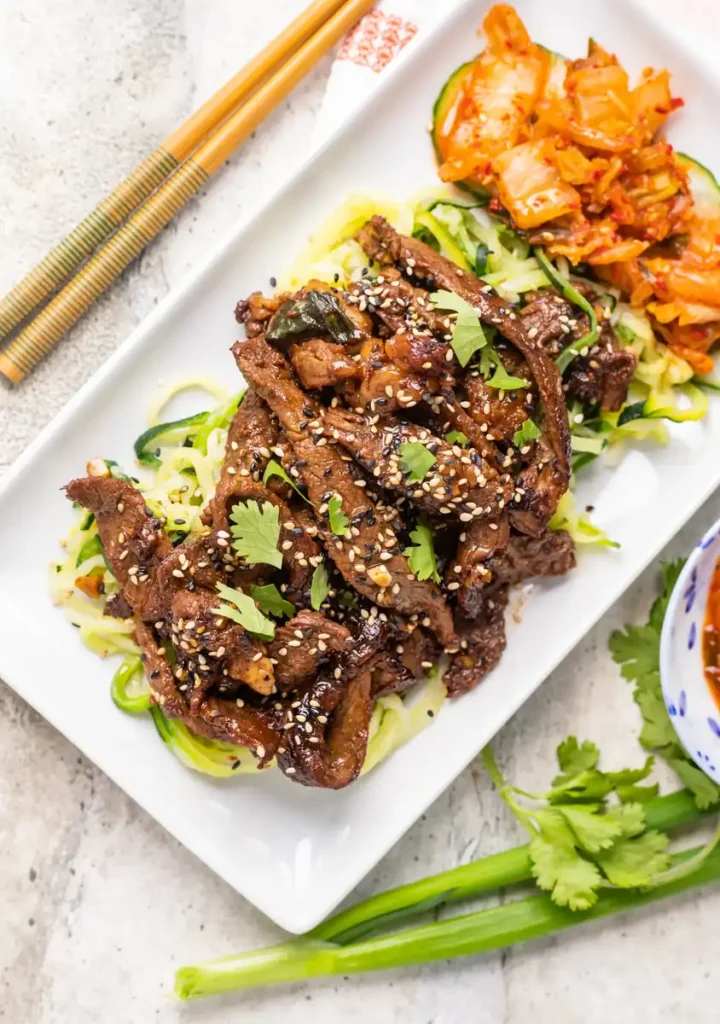
When I first tossed together this dish I declared, “This is the only Beef Bulgogi with Zucchini Noodles recipe you’ll ever need,” and the kitchen rang true. The sizzle of marinated steak, the faint sparkle of sesame oil, and charcoal‑charred onions donates an aroma like a backstage concert for your senses. I keep this recipe as a diary of my most victorious nights, honoring each portion with confidence and a dash of family flair.
I almost gave up on this recipe until I discovered the secret of letting the beef rest a few minutes before grilling, which preserves moisture and thickens that caramelized glaze. That brief hesitation became a final learning moment, and the finished plate is a testament to patience and sweet‑savory synergy.
Adapting to different spice levels is trivial—a pinch of extra chili paste or a splash of butter for richer depth. With the zucchini noodles, you get the structure of pasta without the heavy carbs. I recommend serving it with a gentle squeeze of lime to cut through the richness, producing a bright, balanced bite that lifts every mouthful.
- ●Bold Korean flavors harmonized with fresh zucchini for an umami‑rich bite.
- ●Flexibility to adjust heat or sugar for personal taste.
- ●Quick prep and minimal cleanup, fitting hectic weeknights.
- ●Low‑carb option favored plans.
- ●Uses budget‑friendly cuts of beef while maximizing tenderness.
Essential Ingredients |
Beef (sirloin) – A lean cut that crisps beautifully when quick‑seared; it holds sauce flavors and offers a tender bite after a swift simmer.
Soy sauce – This pantry staple actually originates from fermented bean pods, adding depth and a subtle sweetness that counters the savory layers.
Sesame oil – A fragrant oil with toasted nut notes that intensifies the seasoning and creates a glossy sheen on the finished plate.
Brown sugar – A caramel kick that reacts with acidity, helping the glaze thicken into a silky coating.
Garlic – Fresh cloves bring a pungent brightness; when minced, they release sulfur compounds that mellow into a sweet backdrop.
Ginger – Freshly grated, it offers sharpness and aromatic warmth, balancing the deep umami of soy.
Gochujang (Korean chili paste) – This fermented paste is rich in umami and provides a subtle heat that adds a Korean signature finish.
Lime juice – The bright acidity cuts through richness and gives the dish a refreshing lift.
Scallions – Their mild onion flavor introduces a fresh, crisp counterpoint to the boldness of the glaze.
Sesame seeds – Toasting them before sprinkling releases nutty aromas, enhancing the final texture.
Zucchini noodles – Healthy spiralized veggies that absorb sauces while keeping the dish light.
 Let’s Make it Together |
- Why: Marinating the beef layers flavors deep into each piece. How: In a bowl, whisk soy, sesame oil, brown sugar, minced garlic, grated ginger, gochujang, and lime juice to form a liquid glaze. Toss the beef with the mixture, cover, and refrigerate for at least 30 minutes.
- Why: Blanching zucchini preserves vibrancy. How: Boil a pot of salted water, toss the noodles for 45 seconds, then shock them in ice water to keep their color. Drain and set aside.
- Why: Quick searing keeps beef juicy. How: Heat a cast‑iron skillet over high heat. Add a splash of oil, then spread the beef in a single layer. Sear for 2 minutes on each side until a brown crust forms.
- Why: Resting beef locks moisture. How: Remove from heat, cover with a lid, and let the beef rest for 5 minutes before stirring to distribute the glaze.
- Why: Adding zucchini at the finish melds textures. How: Return the skillet to medium heat, stir in the noodles, and toss with the remaining glaze until noodles warm and coated.
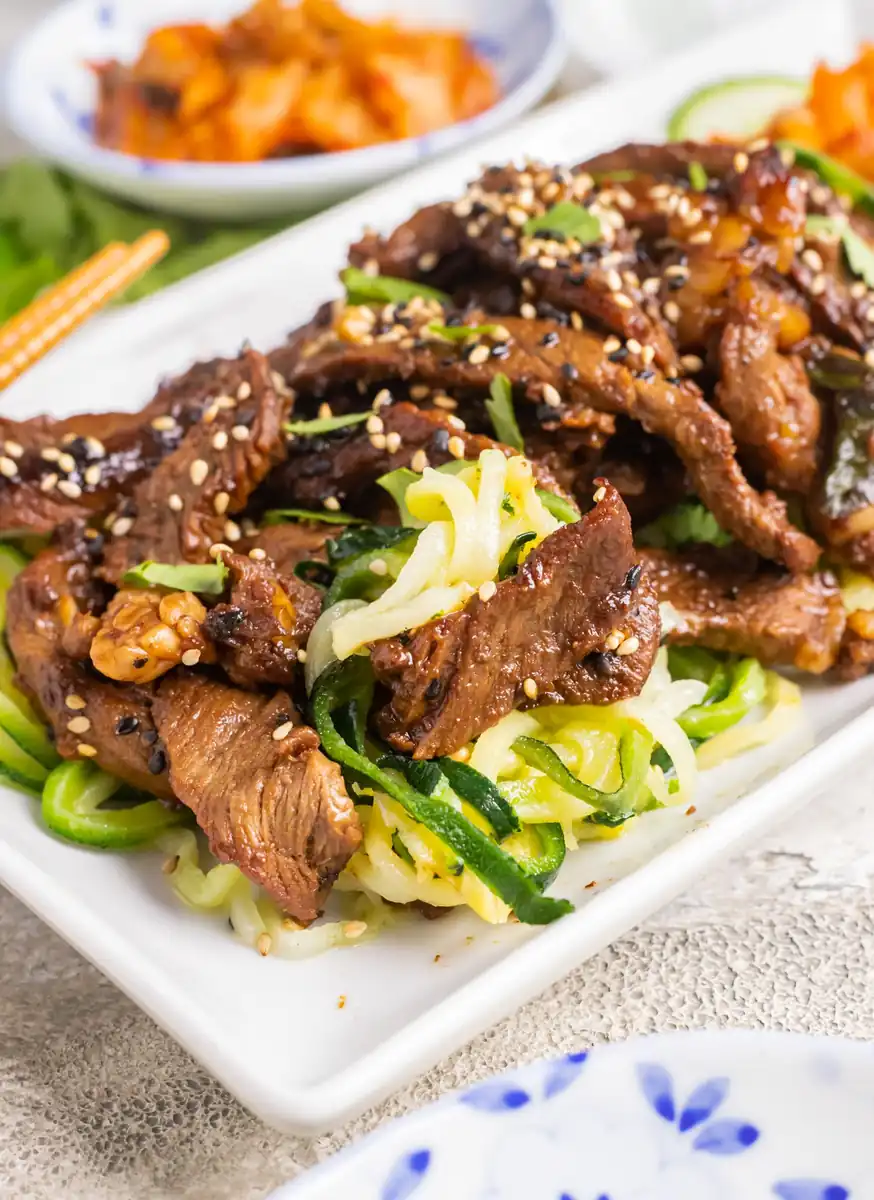
- Why: Fresh toppings create contrast. How: Plate the noodle‑beef mixture, sprinkle scallions and toasted sesame seeds, and drizzle a final splash of sesame oil.
- Why: Extra lime brightens each bite. How: Offer lime wedges on the side so diners can adjust acidity to their mood.
Large slices of beef prevent the noodles from soaking through each bite—use thick cuts for contrast.
Roasting the sesame seeds in a dry pan dryifies oils; this enhances their nutty aroma.
Keep all ingredients chilled until you begin cooking; sudden temperature changes can cause the beef to short‑cook.
When sautéing, avoid crowding the pan; this prompts steam release and ensures a proper sear.
Use a spatula to constantly flip noodles—a gentle folding technique keeps strands from breaking.
Perfecting the Cooking Process |
Target a skillet temperature of about 375°F to develop a crisp exterior on the beef while preserving juiciness. If the heat is too low, the meat may release excess liquid, diluting the glaze.
Timing the sear for exactly 2 minutes on each side locks in moisture and builds a caramelized crust; extend the sear slightly only if the beef pieces are thicker.
Add Your Touch |
Swap zucchini for shirataki noodles if you seek a near‑zero carb alternative; the texture remains firm and absorbs sauces similarly.
Top with sliced shiitake mushrooms or a smear of kimchi for an added pop of umami and traditional Korean depth.
Storing & Reheating |
Cool the dish fully before placing it in an airtight container. Store it in the refrigerator for up to 2 days, ensuring the glaze remains vibrant.
Reheat gently on low heat, folding frequently, until warm; add a splash of water or broth to re‑soften noodles if they harden.
1For an articulate glaze, whisk the soy mixture with a funnel; this keeps sugar dispersed and prevents clumping.
2Always keep the skillet covered immediately after searing; the steam helps the beef retain moisture.
3Using a bamboo skewer over the noodles while tossing prevents burning .
4Plate the dish on a neutral ceramic plate; the high contrast showcases the vibrant colors of the noodles and samplings.
5Finally, always taste the glaze before adding noodles; adjust sweetness or acidity as needed for a balanced finish.
FAQ |
Beef Bulgogi with Zucchini Noodles: A Flavor Explosion
- Total Time: 45 minutes
- Yield: 4 servings 1x
Description
A Korean-inspired beef dish woven with sweet, spicy gochujang, savory soy, and fresh zucchini noodles. The result is a crunchy, juicy, low‑carb dinner that satisfies every craving.
Ingredients
- 1 lb sirloin beef, sliced
- 3 tbsp soy sauce
- 2 tsp sesame oil
- 1 tbsp brown sugar
- 3 garlic cloves, minced
- 1 tbsp ginger, grated
- 1 tbsp gochujang
- 1 tbsp lime juice
- 2 tbsp scallions, sliced
- 1 tsp sesame seeds
- 4 cups zucchini noodles
Instructions
- Whisk soy sauce, sesame oil, brown sugar, garlic, ginger, gochujang, and lime juice.
- Marinate sliced beef in the glaze for at least 30 minutes.
- Blanch zucchini noodles briefly and shock in ice water.
- Seared beef over high heat, 2 minutes per side.
- Rest beef for 5 minutes.
- Toss noodles with beef and glaze, finish with scallions and sesame seeds.
- Prep Time: 35 minutes
- Cook Time: 10 minutes
- Category: Dinner
- Method: Sauté
- Cuisine: Korean