Introduction |
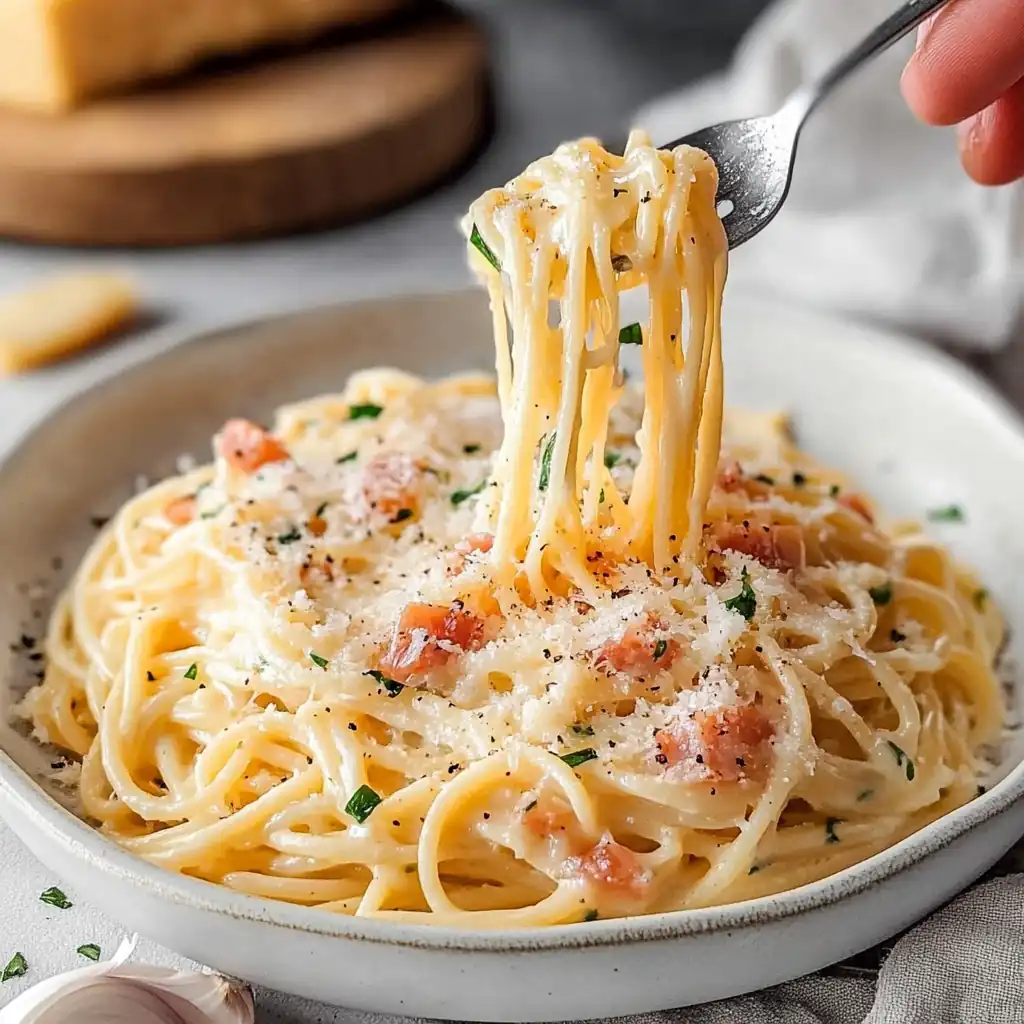
I must admit, my first attempt at Carbonara was a disaster of scrambled eggs and clumped cheese. I believed that high heat was the secret to a fast sear, but I ended up with a pasta dish that looked more like an omelet than a sophisticated Roman classic. That failure taught me the most important lesson in Italian cooking: the sauce is an emulsion, not a stir-fry.
During my years of refinement, I once accidentally used pre-grated cheese from a canister, which resulted in a grainy, sandy texture that ruined the velvety mouthfeel of the dish. This mistake highlighted the critical importance of using high-quality, freshly grated Pecorino Romano to ensure the fats melt seamlessly into the egg mixture. Precision in temperature is the only bridge between a broken sauce and a masterpiece.
- ●The texture is incomparably silky. emulsification of pasta water and egg yolks, you create a creaminess that rivals heavy cream without the heaviness.
- ●It utilizes only a handful of ingredients. This recipe proves that high-quality fats from guanciale and sharp cheese create a complex flavor profile without needing a long list of spices.
- ●The preparation is remarkably efficient. You can have a restaurant-quality dinner on the table in under twenty minutes if your mise en place is organized.
- ●It respects traditional Roman heritage. Following these specific technical steps ensures you are eating a dish that tastes exactly like the trattorias in Trastevere.
- ●The flavor balance is perfectly calibrated. The saltiness of the cured pork cuts through the richness of the yolks, creating a savory harmony in every single bite.
Essential Ingredients |
Guanciale provides the essential funky, salty depth of flavor. This cured pork cheek has a higher fat-to-meat ratio than pancetta, which is chemically necessary to create the oil base that carries the cheese and egg.
Pecorino Romano offers a sharp, salty punch. The sheep’s milk cheese contains specific proteins that bind with the pasta starch to thicken the sauce into a cohesive glaze.
Fresh Egg Yolks act as the primary emulsifier. The lecithin in the yolks allows the fats from the pork to bond with the water-based pasta starch, preventing the sauce from separating.
Spaghetti serves as the ideal canvas. The starch released during the boiling process is the secret chemical agent that prevents the sauce from sliding off the noodles.
Black Pepper provides a necessary aromatic contrast. When toasted in the pan, the piperine in the pepper activates, adding a spicy warmth that balances the richness of the fats.
 Let’s Make it Together |
- Sear the diced guanciale over medium heat until the fat renders and the pork becomes golden and crisp. Pro tip: Start with a cold pan to render the fat more efficiently.
- Whisk the egg yolks and grated Pecorino Romano together in a small bowl until a thick, pale paste forms. Pro tip: Let the mixture sit for five minutes to allow the cheese to hydrate.
- Boil the spaghetti in salted water, but stop cooking two minutes before the package instructions for a true al dente texture.
- Fold the cooked pasta directly into the pan with the guanciale and rendered fat, tossing on medium heat for one minute.
- Remove the pan from the heat entirely to cool slightly before adding the egg and cheese mixture. Pro tip: If the pan is too hot, the eggs will curdle instantly.
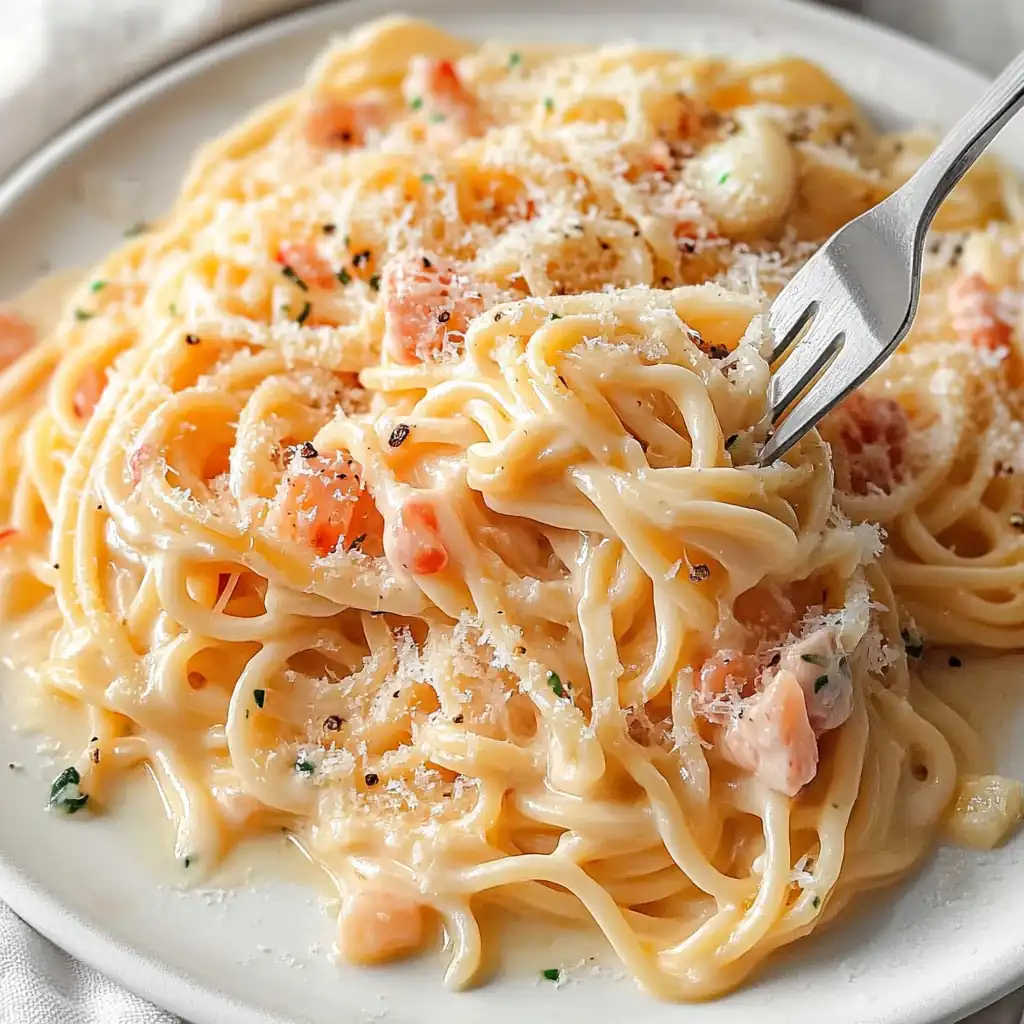
- Vigorously stir the pasta while adding small splashes of starchy pasta water until a glossy, creamy emulsion coats every strand.
Simplicity is the ultimate sophistication.
Never add fresh cream to this recipe as it masks the flavor of the pork and ruins the traditional emulsion.
Ensure your pasta water is heavily salted, as the noodles absorb the salt during the boiling process.
Always grate your cheese on the finest setting to ensure it melts instantly into the egg yolks.
Avoid using a non-stick pan if possible, as stainless steel allows for better temperature control and fat rendering.
The heat of the pasta itself is what cooks the eggs, so no additional flame is needed at the final stage.
Perfecting the Cooking Process |
Temperature control is the defining factor of this dish. You are aiming for a temperature between 140°F and 160°F when the eggs hit the pasta; any higher and the proteins in the eggs will bond too tightly, resulting in clumps. pan from the burner, you utilize residual heat to thicken the sauce without overcooking the yolks.
Timing is equally critical, specifically the window between draining the pasta and emulsifying the sauce. The noodles must be hot enough to cook the eggs but not so hot that they scramble. This rapid sequence of tossing and stirring is what creates that signature glossy sheen that marks a professional Carbonara.
Add Your Touch |
For a slightly milder flavor profile, you can substitute half of the Pecorino Romano with Parmigiano Reggiano. This reduces the sharp saltiness and adds a nuttier, more mellow sweetness to the overall composition of the sauce.
If guanciale is unavailable, high-quality pancetta or thick-cut slab bacon is a viable alternative. While the flavor shifts from funky to smoky, the high fat content still allows the emulsification process to function correctly.
Storing & Reheating |
Carbonara is best enjoyed immediately, but leftovers can be stored in an airtight container in the refrigerator for up to two days. Note that the sauce will solidify as it cools due to the nature of the egg and cheese.
To reheat, avoid the microwave, which will scramble the eggs. Instead, gently warm the pasta in a pan over low heat with a tablespoon of water or broth to loosen the sauce and restore the creamy texture.
1Toast your black pepper in a dry pan for thirty seconds before adding it to the pasta to release the oils.
2Keep a cup of pasta water reserved even if you think you have enough; it is the only way to fix a dry sauce.
3Use eggs at room temperature to prevent the sauce from cooling down too quickly when mixed.
4Avoid over-salting the pasta water if you are using a very salty brand of Pecorino Romano.
5Toss the pasta with the pork fat first to seal the noodles before adding the egg mixture.
FAQ |
- ●Q: Why did my Carbonara turn into scrambled eggs?A: This happens when the pan is too hot when the eggs are added. To prevent this, always remove the pan from the heat source and let it cool for a minute before stirring in the egg and cheese mixture, relying only on the residual heat of the pasta.
- ●Q: Can I use cream to make the sauce smoother?A: Authentic Carbonara does not use cream because the creaminess comes from the emulsion of egg yolks, cheese, and starchy pasta water. Adding cream changes the chemical structure of the sauce and masks the authentic flavor of the guanciale and Pecorino.
- ●Q: What is the difference between guanciale and pancetta?A: Guanciale is cured pork cheek, which has a higher fat content and a more intense, funky flavor than pancetta, which is cured pork belly. While both work, guanciale provides the specific traditional taste and richness required for a truly authentic Roman Carbonara.
- ●Q: How do I get the sauce to stick to the pasta?A: The secret is the starchy pasta water. When you toss the pasta in the pan, the starch acts as a binding agent that helps the egg and cheese emulsion cling to the noodles rather than sliding off to the bottom of the plate.
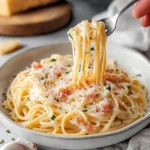
The Definitive Guide to Authentic Spaghetti Carbonara
- Total Time: 25 minutes
- Yield: 4 servings 1x
Description
A traditional Roman pasta dish featuring a rich, creamy emulsion of eggs, Pecorino Romano, and crispy guanciale.
Ingredients
- 400g Spaghetti
- 150g Guanciale, diced
- 4 Large egg yolks
- 100g Pecorino Romano, freshly grated
- 1 tablespoon Black pepper, coarsely ground
- Salt for pasta water
Instructions
- Boil spaghetti in salted water until al dente.
- Sauté guanciale over medium heat until crisp and golden.
- Whisk egg yolks and grated Pecorino Romano into a thick paste.
- Transfer cooked pasta to the pan with guanciale and toss.
- Remove pan from heat and let cool for 60 seconds.
- Stir in egg mixture and pasta water until glossy and creamy.
- Prep Time: 10 minutes
- Cook Time: 15 minutes
- Category: Dinner
- Method: Stovetop
- Cuisine: Italian