The Art of the Slurp |
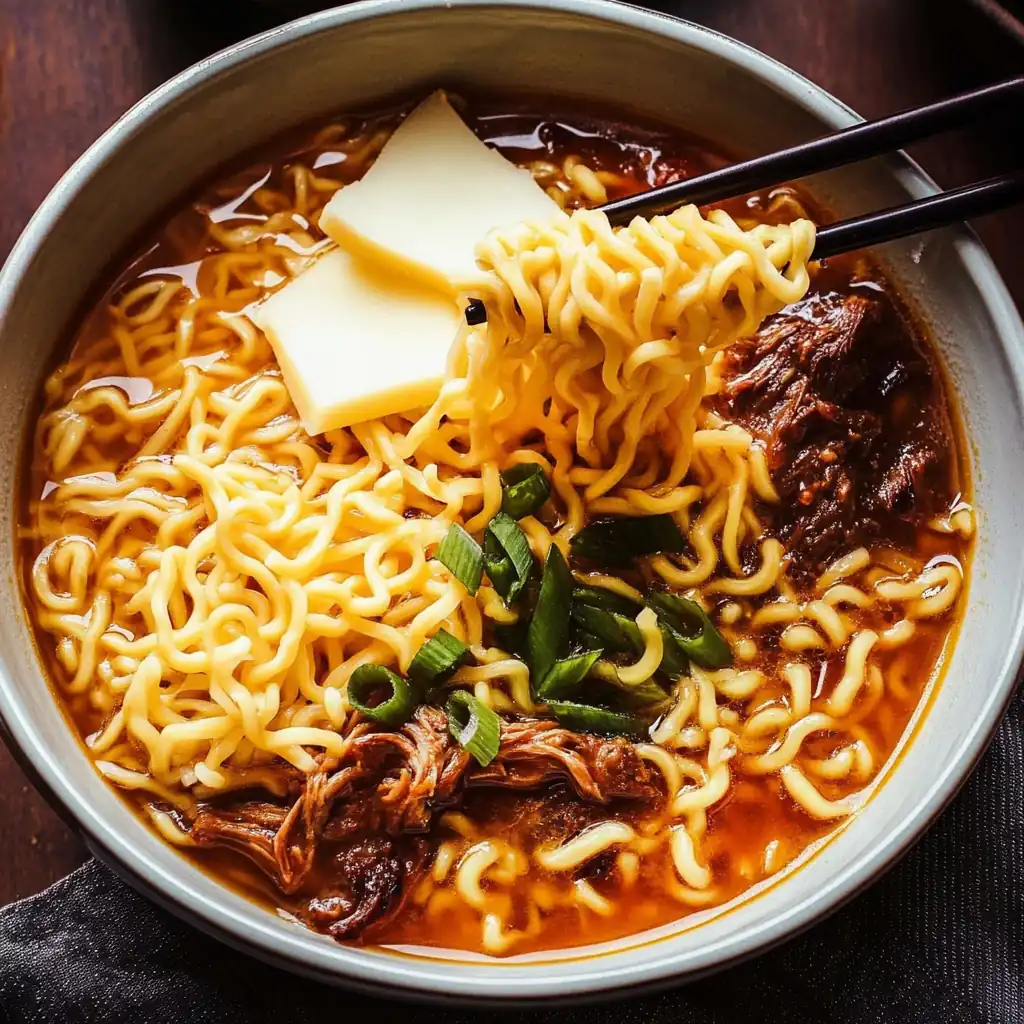
I still remember the first time I attempted this dish on a Tuesday in late November. The air was biting and sharp, making the steam rising from the pot feel like a warm embrace against my face. I can still hear the rhythmic bubbling of the broth and smell the pungent, earthy aroma of ginger mingling with toasted sesame oil as the kitchen transformed into a sanctuary of scent.
Cooking this soup is not a rigid process but rather a culinary expedition. It invites you to play with textures and intensities, turning a simple meal into a personalized masterpiece. Whether you are seeking a deep, complex umami bomb or a light, refreshing broth, the journey of assembly is where the real magic happens. Let the steam guide you.
- ●Customizable toppings allow you to tailor every bowl. You can switch between soft-boiled eggs and seared pork to suit your current cravings.
- ●The broth provides an instant mood lift. Its deep saltiness and warmth act as a physical shield against the coldest winter days.
- ●It is a budget-friendly luxury. Using simple pantry staples creates a gourmet experience that rivals expensive city ramen shops.
- ●The texture contrast is unparalleled. You get the chew of the noodles combined with the crunch of fresh scallions and the silkiness of the egg.
- ●It encourages mindful cooking. Preparing each component separately teaches you the beauty of patience and precision in the kitchen.
Essential Ingredients |
Chicken Stock provides the savory foundation and body of the soup. Try vegetable broth for a lighter, plant-based alternative.
Soy Sauce adds a salty, fermented depth that anchors the other flavors. Coconut aminos serve as a great gluten-free substitute.
Fresh Ginger introduces a spicy, aromatic zing that cuts through the richness. Ground ginger works if you are out of fresh root.
Garlic delivers a pungent, bold layer of flavor that is non-negotiable. Garlic powder is a quick fix, though less potent.
Ramen Noodles offer that signature alkaline chew and springy texture. Soba noodles provide a nuttier, buckwheat-heavy option.
Miso Paste creates a creamy, salty complexity that thickens the broth. Tahini mixed with salt can mimic some of that creaminess.
 Let’s Make it Together |
- Sauté the minced garlic and grated ginger in a large pot over medium heat until fragrant. Pro tip: Do not let the garlic brown too quickly or it will turn bitter.
- Deglaze the pot the soy sauce and miso paste, stirring constantly to integrate.
- Whisk in the chicken stock and bring the mixture to a gentle simmer. Pro tip: Keep the heat low to avoid boiling away the delicate aromatics.
- Boil the ramen noodles in a separate pot of water according to the package instructions.
- Drain the noodles and divide them evenly among four deep bowls.
- Ladle the piping hot broth over the noodles, ensuring they are fully submerged. Pro tip: Warm your bowls in the oven for five minutes first to keep the soup hot longer.
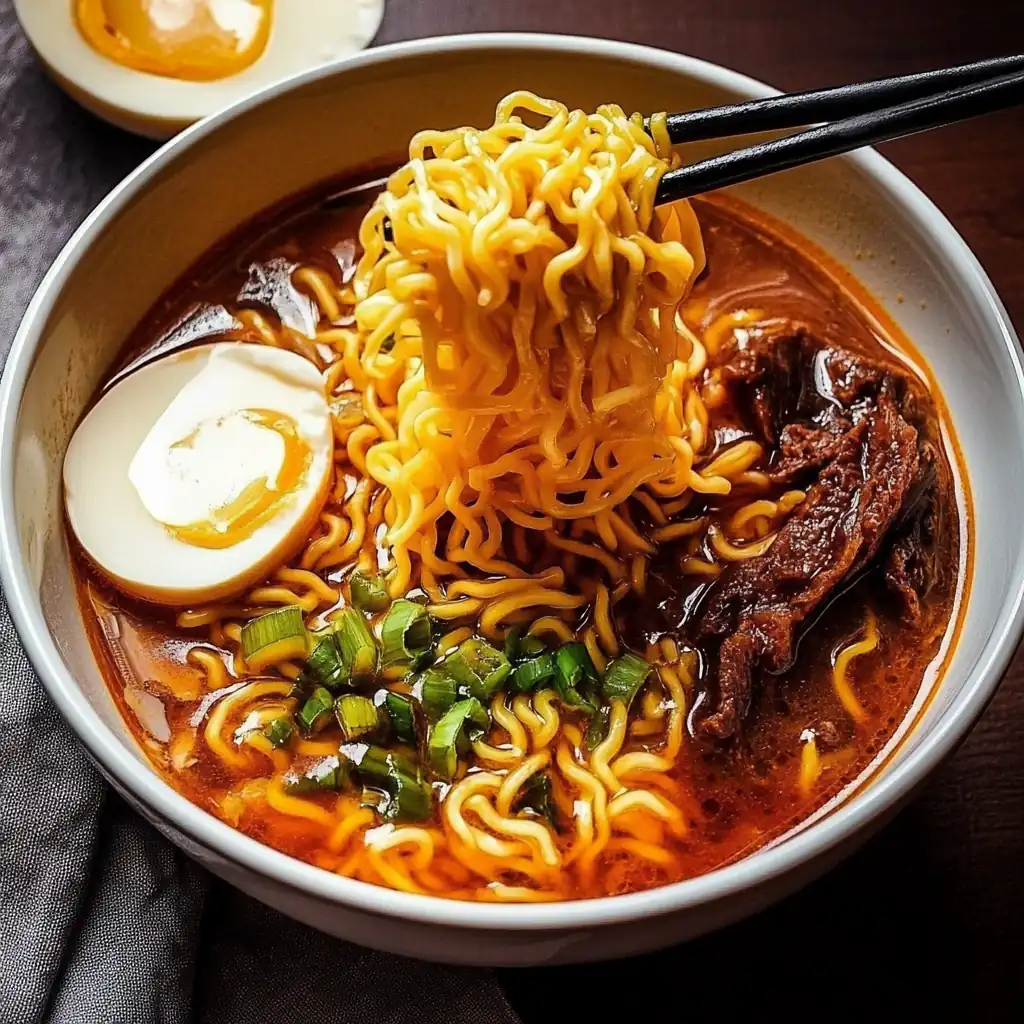
- Arrange your chosen toppings—sliced pork, soft-boiled eggs, and green onions—on top of the noodles.
Never cook your noodles directly in the broth as they release starch that makes the soup cloudy.
Miso paste should be added at the end or simmered gently to preserve its probiotic benefits.
Use a timer for your eggs to ensure a jammy, custard-like center every single time.
High-quality soy sauce makes a noticeable difference in the final depth of the flavor profile.
Avoid overcooking the noodles or they will lose their elasticity and become mushy.
Perfecting the Cooking Process |
Temperature control is the secret to a professional-grade ramen. You want a gentle simmer, not a rolling boil, which prevents the proteins in the broth from breaking down and keeps the liquid clear. If the broth looks too thin, a small cornstarch slurry can add that luxurious mouthfeel seen in high-end shops.
Timing your components is a dance of precision. Since the noodles cook so quickly, have your toppings prepped and your broth at a peak simmer before the pasta hits the water. This ensures that you aren’t serving cold soup with overcooked noodles.
Add Your Touch |
Feel free to experiment with the heat level or a dollop of chili crisp. Adding a splash of toasted sesame oil right before serving transforms the aroma into something truly intoxicating and nutty.
For a vegetarian twist, swap the pork for marinated tofu or sautéed shiitake mushrooms. These additions provide an earthy, meaty texture that satisfies even the most dedicated carnivore.
Storing & Reheating |
Store the broth, noodles, and toppings in three separate containers in the fridge. This prevents the noodles from absorbing all the liquid and becoming bloated during storage.
Reheat the broth on the stove until simmering, then add the noodles and toppings. Avoid the microwave for the noodles to maintain their original springy texture.
1Always rinse your noodles under cold water after boiling to stop the cooking process.
2Use a kitchen scale for the miso to ensure the salt balance is perfect.
3Grate your ginger using a microplane for the smoothest integration into the broth.
4Marinate your eggs in a soy-mirin mixture overnight for a professional flavor profile.
5Add a pinch of sugar to the broth to balance the intense saltiness of the soy.
FAQ |
- ●Q: Can I use instant ramen noodles for this recipe?A: Yes, you certainly can, but be sure to discard the flavor packets that come with them. The homemade broth is far superior in quality and nutrition, providing a complex flavor that the processed powder simply cannot replicate.
- ●Q: How do I get the perfect jammy egg?A: Boil your eggs for exactly six and a half minutes, then immediately plunge them into an ice-water bath. This sudden temperature drop stops the cooking process instantly, leaving the yolk thick and creamy while the whites stay set.
- ●Q: What is the best way to make the broth creamier?A: You can whisk in a small amount of cashew cream or a tablespoon of butter at the very end. This adds a rich, velvety texture that mimics the traditional pork-bone tonkotsu style without needing to boil bones for twenty hours.
- ●Q: Which soy sauce should I use for the best results?A: I highly recommend using a Japanese soy sauce (Shoyu) for a cleaner, saltier taste. If you prefer something deeper and sweeter, a dark soy sauce or tamari can provide a richer color and a more robust, earthy flavor profile.
The Ultimate Homemade Ramen Noodle Soup Adventure
- Total Time: 45 minutes
- Yield: 4 servings 1x
Description
A comforting and customizable Ramen Noodle Soup featuring a rich, aromatic broth and springy noodles, perfect for chilly evenings.
Ingredients
- 6 cups chicken stock
- 3 tbsp soy sauce
- 2 tbsp miso paste
- 1 tbsp grated fresh ginger
- 3 cloves garlic, minced
- 4 packs ramen noodles
- 4 soft-boiled eggs
- 2 scallions, sliced
- 1 tbsp toasted sesame oil
Instructions
- Sauté garlic and ginger in sesame oil until fragrant.
- Stir in soy sauce and miso paste.
- Add chicken stock and bring to a gentle simmer.
- Cook ramen noodles in a separate pot of boiling water.
- Divide cooked noodles into four bowls.
- Pour the hot broth over the noodles.
- Top with soft-boiled eggs, scallions, and any preferred proteins.
- Prep Time: 20 minutes
- Cook Time: 25 minutes
- Category: Dinner
- Method: Stovetop
- Cuisine: Japanese-inspired