The Definitive Guide to Cabbage Soup |
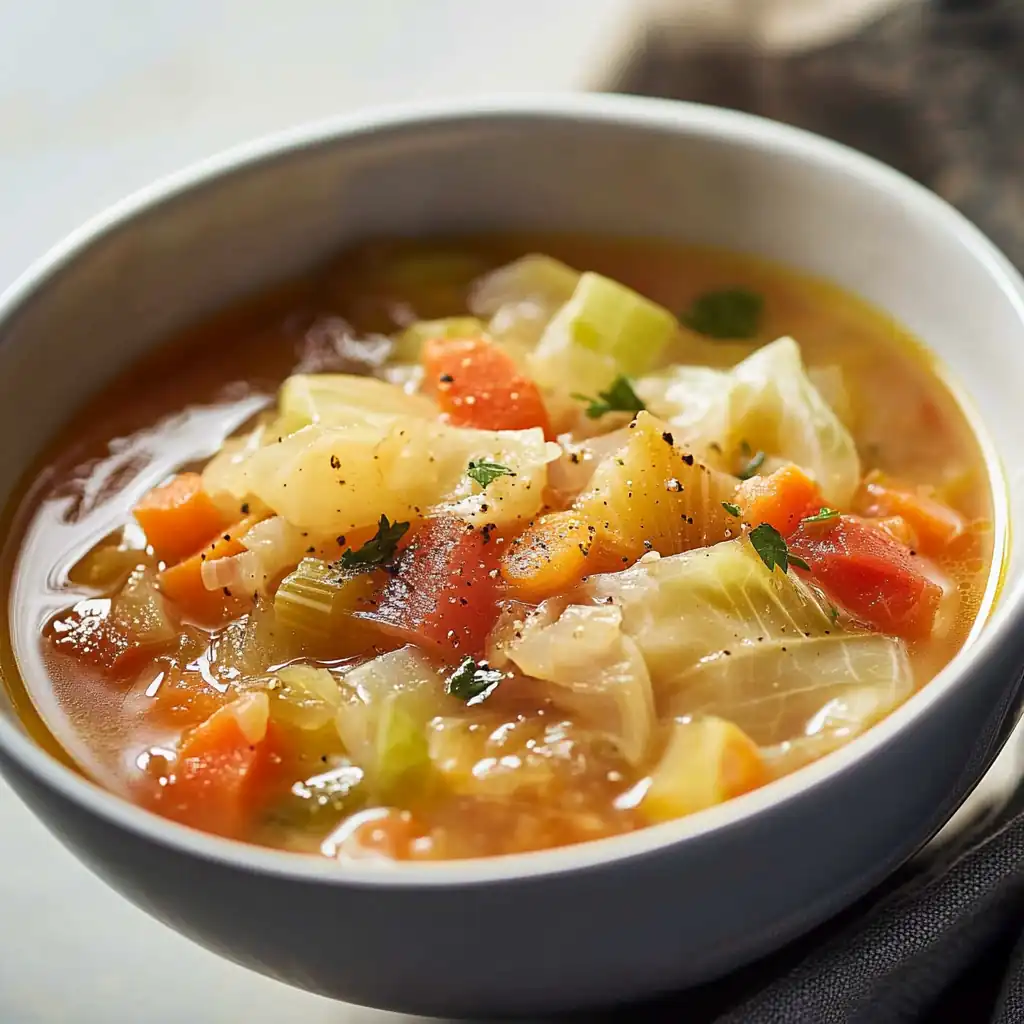
Forget every bland, watery vegetable broth you have ever tasted because this is the only cabbage soup recipe you will ever need. It transforms a simple, sturdy head of cabbage into a complex symphony of savory notes and hearty textures that satisfy the soul and the stomach simultaneously.
The obsession began years ago in a bustling open-air market in Eastern Europe, where a street vendor served steaming bowls of this gold-hued elixir from a massive cast-iron pot. The aroma of caramelized onions and simmering cabbage drifted through the cold air, promising a warmth that went far beyond mere temperature.
Every bowl is a new adventure, inviting you to tweak the seasoning or swap the vegetables based on what is currently thriving in your garden. Treat this guide as a map, but feel free to wander off the beaten path to discover your own perfect balance of flavors.
- ●Unbelievable depth of flavor achieved through slow simmering.
- ●Incredibly budget-friendly ingredients that pack a nutritional punch.
- ●Highly adaptable base that works for vegan, paleo, or keto diets.
- ●Perfect for batch-cooking and freezing for busy weeknights.
- ●A natural way to incorporate a variety of colorful, antioxidant-rich vegetables.
Essential Ingredients |
Green Cabbage, providing a pale green, crunch-to-tender texture and a mild, earthy aroma; use one medium head, roughly chopped.
Carrots, adding a vibrant orange hue and a natural, sugary sweetness to balance the salt; use three large carrots, sliced into coins.
Celery, contributing a translucent green color and a salty, aromatic depth; use three stalks, finely diced.
Yellow Onion, offering a golden glow and a rich, pungent base when sautéed; use one large onion, finely chopped.
Garlic, delivering an ivory color and a sharp, pungent fragrance that awakens the senses; use four cloves, minced.
Vegetable Broth, the liquid gold that ties everything together with a savory, clear consistency; use eight cups of high-quality stock.
Diced Tomatoes, introducing a bright red pop of color and a necessary acidic tang; use one 14-ounce can.
 Let’s Make it Together |
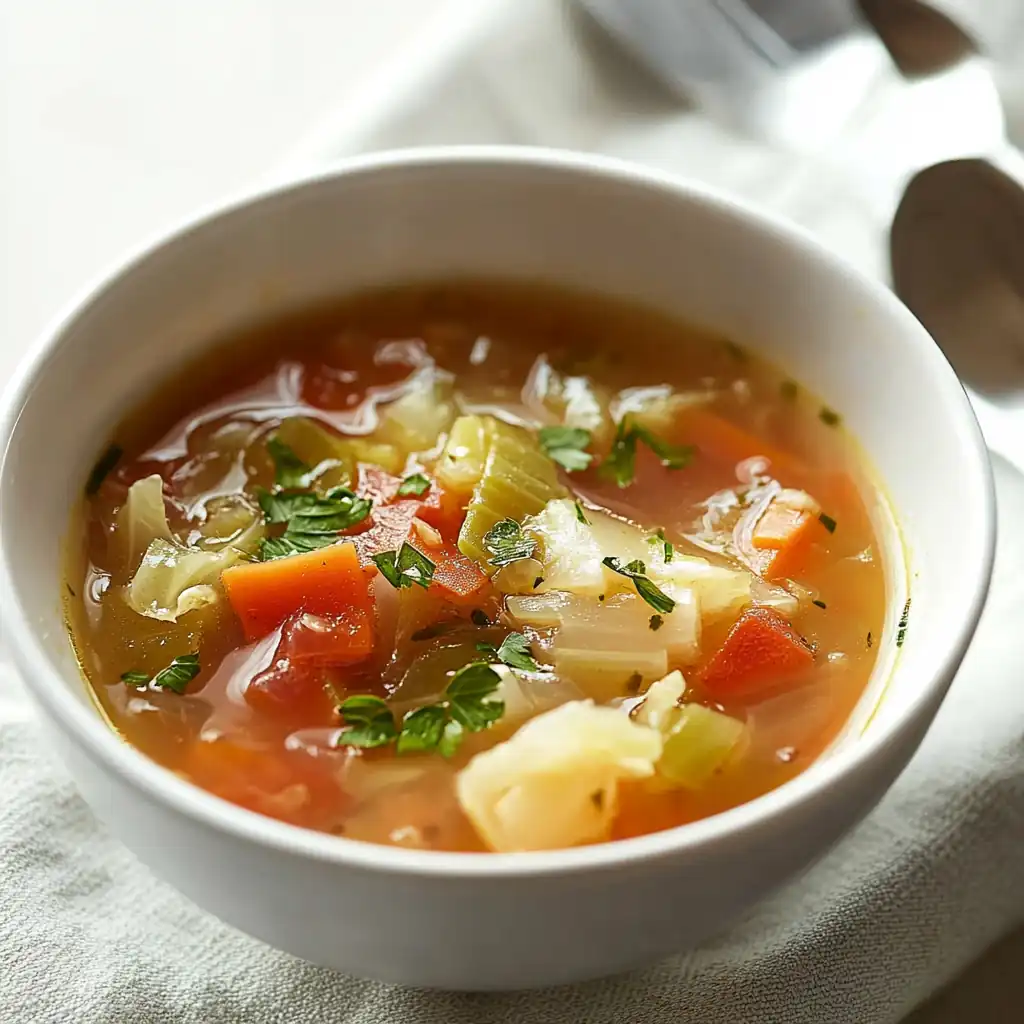
- Grab your biggest pot and heat a splash of oil over medium heat until it shimmers.
- Toss in those onions and carrots, stirring them around until the onions look translucent and the carrots start to soften.
- Push the veggies to the side and drop in your garlic for just a minute so it doesn’t burn but smells amazing.
- Now, stir in your chopped cabbage, letting it wilt slightly and soak up those aromatic oils from the bottom of the pot.
- Pour in the vegetable broth and the diced tomatoes, making sure to include all the juices from the can.
- Bring the whole thing to a boil, then immediately turn the heat down to a low simmer.
- Cover the pot and let the magic happen for about 30 to 40 minutes until the cabbage is tender.
- Taste your creation and stir in salt, pepper, or a squeeze of lemon juice to brighten everything up.
It is purely transformative.
Avoid overcooking the cabbage if you prefer a slight bite to your vegetables.
Using a low-sodium broth allows you to control the salt levels more precisely.
A pinch of baking soda can keep the cabbage looking brighter and more vibrant.
Do not skip the sautéing phase as raw vegetables in broth lack depth.
Adding a splash of apple cider vinegar at the end elevates the overall acidity.
Perfecting the Cooking Process |
Temperature control is the secret weapon here. Starting with a high heat to sauté the aromatics creates a Maillard reaction, which develops a caramelized base that boiling alone cannot achieve. Once the liquid is added, the transition to a gentle simmer is crucial; a rolling boil will break down the cabbage too quickly, turning your soup into a mushy puree rather than a structured vegetable stew.
Timing should be dictated of the cabbage. Depending on the variety—whether it is a dense Savoy or a looser green cabbage—the cooking time can vary . Periodically check the tenderness with a fork; you want the cabbage to be translucent and soft, but still retaining its distinct shape in the spoon.
Add Your Touch |
This recipe is a playground for your creativity. For a smoky, hearty twist, stir in some smoked paprika and diced chorizo or kielbasa during the sautéing phase. If you are aiming for a creamy consistency, whisk in a tablespoon of heavy cream or coconut milk right before serving. To make it a full meal, add a handful of cooked quinoa or pearled barley during the last twenty minutes of simmering.
Seasonal adaptations can completely change the vibe of the dish. In the autumn, swap the carrots for butternut squash and add a hint of nutmeg for a cozy feel. For a zesty spring version, stir in a bunch of fresh ba a squeeze of lime juice just before the pot leaves the stove. You can even replace the green cabbage with red cabbage for a stunning, purple-hued soup that tastes slightly sweeter.
Storing & Reheating |
Allow the soup to cool completely before transferring it to airtight containers. It will stay fresh and flavorful in the refrigerator for up to five days, often tasting even better on the second day as the flavors continue to meld together.
To reheat, place a portion in a small saucepan over medium heat until simmering. Avoid using the microwave if you want to prevent the cabbage from becoming overly soft, though a quick zap works in a pinch if you stir gently.
1Always pat your vegetables dry after washing to ensure they sauté instead of steam.
2Searing the meat separately before adding it to the soup prevents a grey, boiled look.
3Use a fish-slice or wide spatula to stir the cabbage without breaking the leaves.
4Fresh parsley added at the very end provides a burst of color and freshness.
5Store the soup in smaller portions to speed up the cooling and reheating process.
FAQ |
- ●Q: Can I use frozen cabbage instead of fresh?A: Yes, you can use frozen cabbage, but be aware that the texture will be much softer once cooked. It is best to add frozen cabbage later in the process so it doesn’t completely disintegrate into the broth.
- ●Q: What is the best way to make this recipe vegan?A: This recipe is naturally very close to vegan; simply ensure your vegetable broth is certified vegan and use a high-quality olive oil or vegan butter for the initial sautéing process to keep it plant-based.
- ●Q: How do I stop my cabbage soup from tasting too bland?A: Blandness usually stems from a lack of acidity or salt. Try adding a teaspoon of lemon juice, a splash of red wine vinegar, or a dash of soy sauce to create a more complex, savory flavor profile.
- ●Q: Can I add potatoes to this soup for extra heartiness?A: Absolutely, adding diced potatoes is a great way to thicken the soup. Just be sure to add them at the same time as the carrots so they have enough time to cook through and become tender.

The Ultimate Garden-Fresh Cabbage Soup: An Exploratory Guide
- Total Time: 1 hour 5 minutes
- Yield: 6 servings 1x
Description
A hearty, nutrient-packed cabbage soup with a rich vegetable base and customizable flavor profiles.
Ingredients
- 1 medium head of green cabbage, chopped
- 3 large carrots, sliced
- 3 celery stalks, diced
- 1 large yellow onion, chopped
- 4 cloves garlic, minced
- 8 cups vegetable broth
- 1 can (14 oz) diced tomatoes
- 2 tbsp olive oil
- Salt and pepper to taste
Instructions
- Heat olive oil in a large pot over medium heat.
- Sauté onions and carrots until softened.
- Stir in minced garlic and cook for 1 minute.
- Add chopped cabbage and stir until slightly wilted.
- Pour in vegetable broth and diced tomatoes.
- Bring to a boil, then reduce heat to low and simmer for 30-40 minutes.
- Season with salt, pepper, and lemon juice if desired.
- Prep Time: 20 minutes
- Cook Time: 45 minutes
- Category: Dinner
- Method: Simmering
- Cuisine: European