The Gold Standard of Glazes |
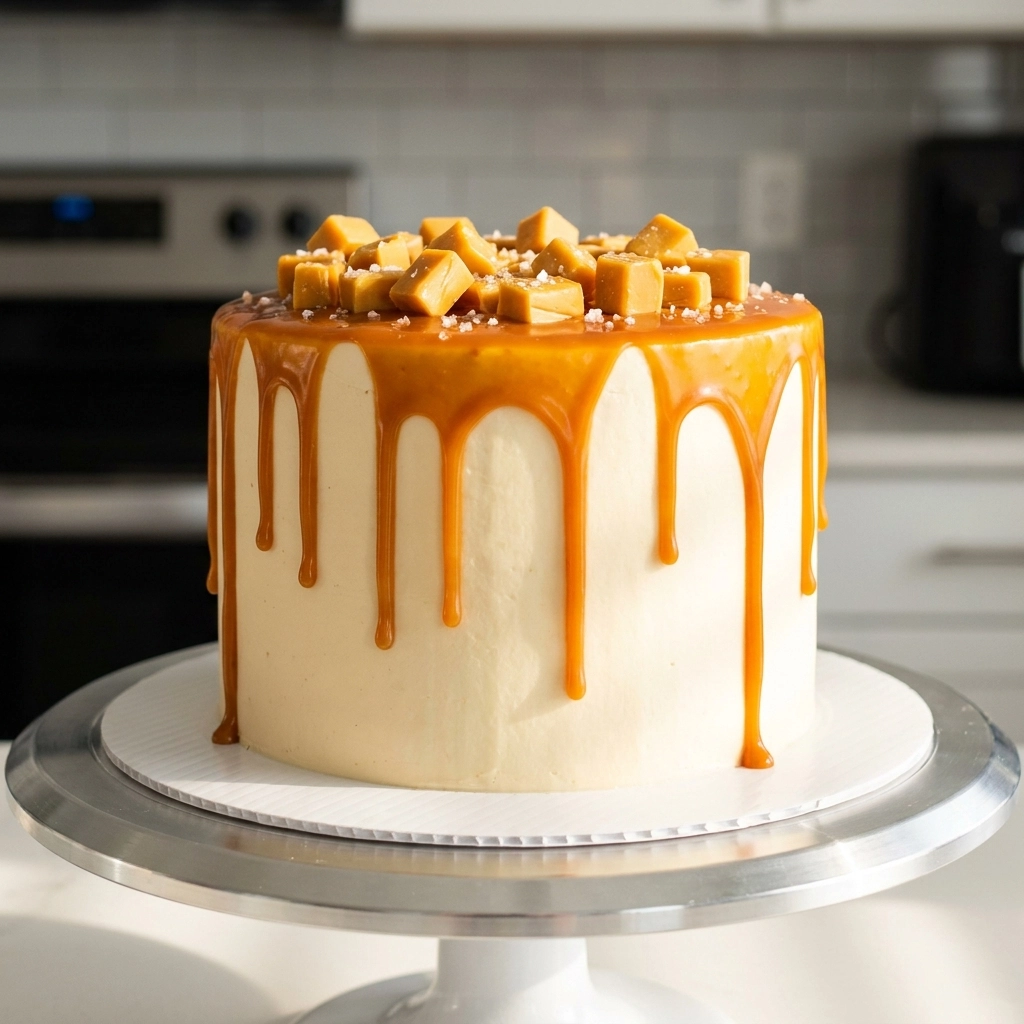
Stop searching. This is the only method you will ever need to achieve a professional, glossy finish that clings to your desserts without running off the plate. I spent years fighting sugar crystals and burnt bottoms, convinced that store-bought jars were the only way to avoid failure in my own kitchen.
I almost gave up on this recipe until I realized that temperature control is everything. One afternoon, I stopped rushing the process and let the sugar melt slowly over a low flame, discovering the exact moment the amber hue shifts from sweet to complex. That revelation changed how I approach confectionery forever.
- ●The texture remains fluid. This prevents the sauce from hardening into a candy shell when plated.
- ●The flavor profile is balanced. High-quality sea salt cuts through the sugar to create a sophisticated taste.
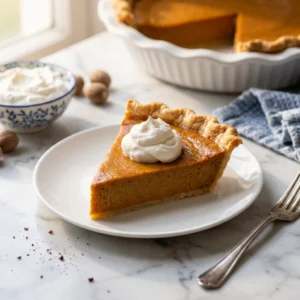
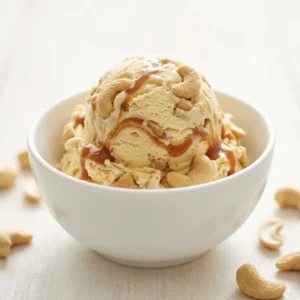
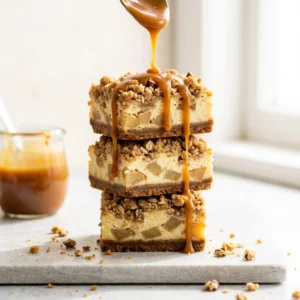
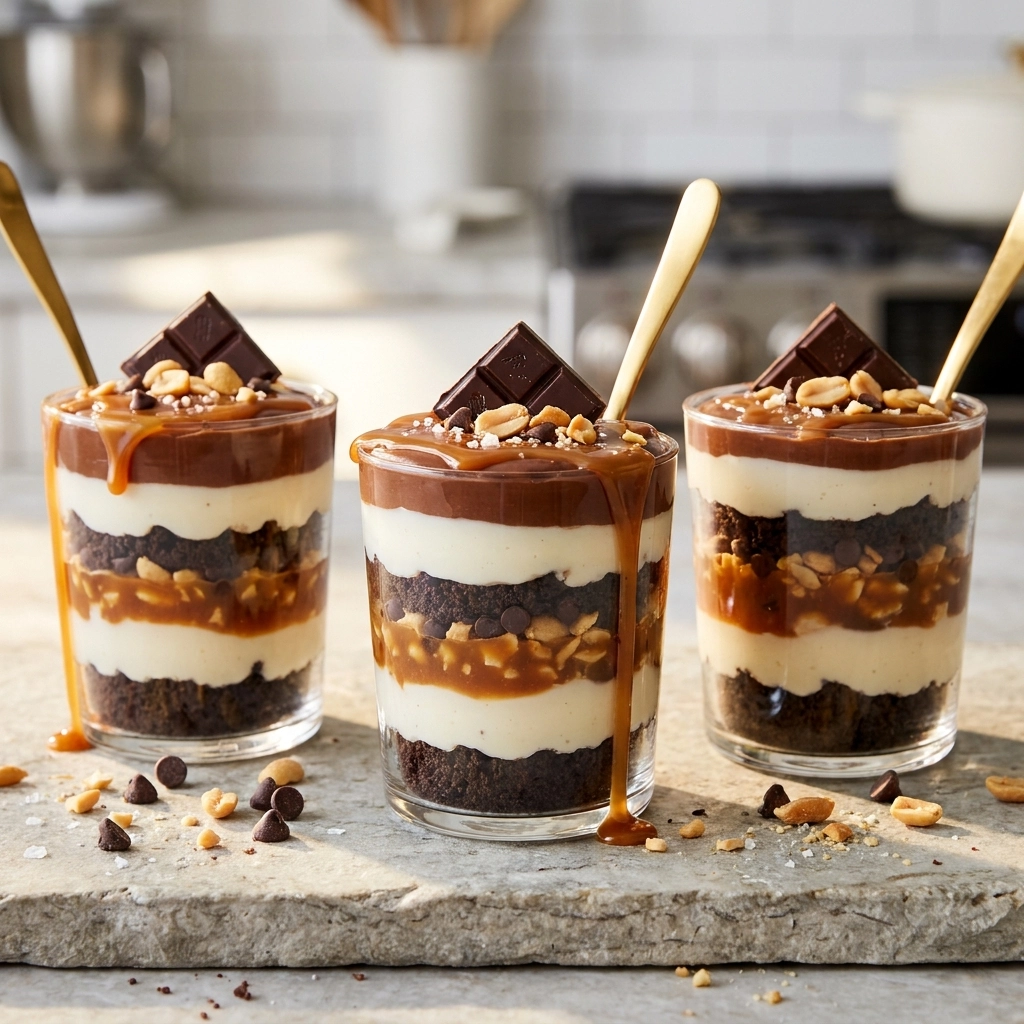
- ●It versatilely fits any dessert. Use it on cheesecakes, apple tarts, or even morning pancakes for a treat.
- ●The ingredients are basic. You likely have everything in your pantry right now without a trip to the store.
- ●The gloss is unmatched. Your plates will look like they came from a high-end patisserie in Paris.
Essential Ingredients |
Granulated Sugar acts as the primary structural component, caramelizing through heat to create deep, nutty flavor compounds.
Unsalted Butter provides the necessary fats to emulsify the sugar and create a silky, smooth mouthfeel.
Heavy Cream introduces proteins and fats that stop the cooking process and prevent the sauce from seizing.
Sea Salt serves as a chemical contrast, suppressing excessive sweetness and enhancing the aromatic notes of the cooked sugar.
Vanilla Extract adds a layer of complex fragrance that rounds out the sharp edges of the concentrated sugar.
 Let’s Make it Together |
- To prevent premature crystallization, pour the sugar into a heavy-bottomed saucepan and spread it in an even layer.
- To achieve a deep amber color, heat the sugar over medium heat without stirring until it melts into a thick syrup.
- To stop the sugar from burning, immediately stir in the butter once the color reaches a rich, golden brown.
- To stabilize the emulsion, slowly whisk in the heavy cream while keeping the heat low.
- To integrate the aromatic notes, remove the pan from the heat and stir in the vanilla extract.
- To balance the sweetness, whisk in the sea salt until fully dissolved and the sauce is glossy.
Never stir the sugar until it melts completely.
Use a heavy-bottomed pot to distribute heat evenly.
Be cautious when adding cream to avoid steam burns.
Do not overheat the sauce once the cream is added.
Ensure your butter is at room temperature before adding.
Perfecting the Cooking Process |
Temperature is the deciding factor between a smooth syrup and a grainy mess. Keep your flame medium-low to allow the sugar molecules to break down slowly. Rushing the heat leads to burnt edges and a bitter taste that cannot be fixed.
Timing the addition of cream is vital. You must act the second the sugar reaches that deep copper color. Wait too long and the caramel becomes too hard to incorporate, resulting in clumps that ruin the texture.
Add Your Touch |
Infuse the cream with a cinnamon stick or orange zest before adding it to the pan. This introduces a warm, spiced profile that pairs well with autumn desserts or coffee.
Substitute the sea salt with a pinch of espresso powder for a mocha-caramel hybrid. This shift creates a bolder, darker flavor that appeals to adult palates.
Storing & Reheating |
Store the sauce in a glass jar in the refrigerator for up to two weeks. Ensure the lid is tight to prevent the sauce from absorbing odors from other foods.
Reheat the sauce in a microwave-safe bowl in 15-second intervals. Stir between each burst to ensure the heat is distributed and the sauce stays smooth.
1Wipe the sides of the pot with a damp brush to remove crystals.
2Use a whisk instead of a spoon for better emulsion.
3Avoid using low-fat cream as it may separate under heat.
4Sift your salt to ensure there are no large chunks.
5Cool the sauce slightly before drizzling for better control.
FAQ |
- ●Q: Why did my caramel turn out grainy?A: Graininess happens when sugar crystals form and bond together. This is usually caused sugar too early or having impurities in the pot. Ensure you let the sugar melt undisturbed and use a clean pan.
- ●Q: Can I use a substitute for heavy cream?A: While you can use coconut cream for a dairy-free version, the chemistry differs. Coconut cream has less protein, meaning the sauce may be thinner and lack the same buttery richness as the traditional dairy version.
- ●Q: How do I know when the sugar is ready?A: Look for a deep amber color, similar to a polished penny. If it is too light, it will taste like syrup; if it is too dark, it will taste burnt and bitter.
- ●Q: Why is my sauce too thin to drizzle?A: This occurs if the sugar was not cooked long enough before the cream was added. The sugar needs to reach a specific temperature to thicken; adding cream too soon halts the reduction process and leaves it watery.
The Definitive Salted Caramel Drizzle
- Total Time: 15 minutes
- Yield: 1 cup 1x
Description
A rich, buttery caramel sauce with a hint of sea salt, designed for drizzling over cakes and desserts.
Ingredients
- 1 cup granulated sugar
- 6 tbsp unsalted butter, room temperature
- 1/2 cup heavy cream
- 1/2 tsp sea salt
- 1 tsp vanilla extract
Instructions
- Heat sugar in a heavy-bottomed pan over medium heat until melted and amber.
- Stir in butter until melted and combined.
- Slowly whisk in heavy cream until smooth.
- Remove from heat and stir in vanilla extract and sea salt.
- Prep Time: 5 minutes
- Cook Time: 10 minutes
- Category: Sauce
- Method: Stovetop
- Cuisine: French-American